 By • Published on March 16, 2026 • 21 min read • 4,301 views
This article is for informational purposes only and is not intended as medical advice. Please consult a qualified healthcare provider for diagnosis and treatment of any health condition, especially if you have an underlying condition like SIBO or are taking medications.
Choosing a probiotic for IBS can feel impossible when every bottle promises better gut health and most never mention the strains that actually matter. This guide cuts through the marketing and shows you which clinically studied probiotics help IBS-D, IBS-C, bloating, and pain. Use it to match your symptoms to the right strain, avoid formulas that can worsen symptoms, and spend your money on options with real evidence.
Short answer: probiotics for IBS only make sense when the exact strain, dominant symptom pattern, and trial expectations are all clear. Generic "digestive balance" marketing is not enough.
This page is for you if you want a strain-specific probiotic decision for IBS-D, IBS-C, bloating, or pain rather than another generic microbiome pitch.
Use a different page first if your main question is broader troubleshooting or intervention taxonomy. Start with when-low-fodmap-doesnt-work-next-steps or prebiotics-probiotics-synbiotics-constipation.
If you have ever felt overwhelmed standing in the supplement aisle or scrolling online, staring at fifty different probiotic bottles, each promising "ultimate gut health," you are definitely not alone. The numbers are huge, the strain names look like alien language, and the marketing makes them all sound like miracle cures.
You have IBS. You have heard probiotics might be the missing piece of the puzzle. But which one are you actually supposed to take?
Here is the frustrating truth. Most probiotics on the shelf are NOT studied for IBS. Taking the wrong one can be a waste of money, and in some cases, it can actually make your bloating worse.
If you are already eating low-FODMAP foods or using digestive enzymes for bloating, you know that targeting your specific root cause is key. The secret to probiotics isn't finding "any probiotic". It is finding the right strain for your specific symptoms.
If you are also comparing other evidence-backed symptom tools, this guide to peppermint oil for IBS shows where it fits beside strains, diet, and broader troubleshooting.
Probiotics are not a magic cure, but they are a powerful tool when used correctly. In this guide, we are going to act as your translator. We will cut through the noise, decode the science, and show you exactly which clinically studied strains actually help with IBS-D, IBS-C, and severe bloating.
This page explains a strain-specific intervention decision:
This page is not mainly explaining:
The World Health Organization defines probiotics as "live microorganisms that, when administered in adequate amounts, confer a health benefit on the host" 1.
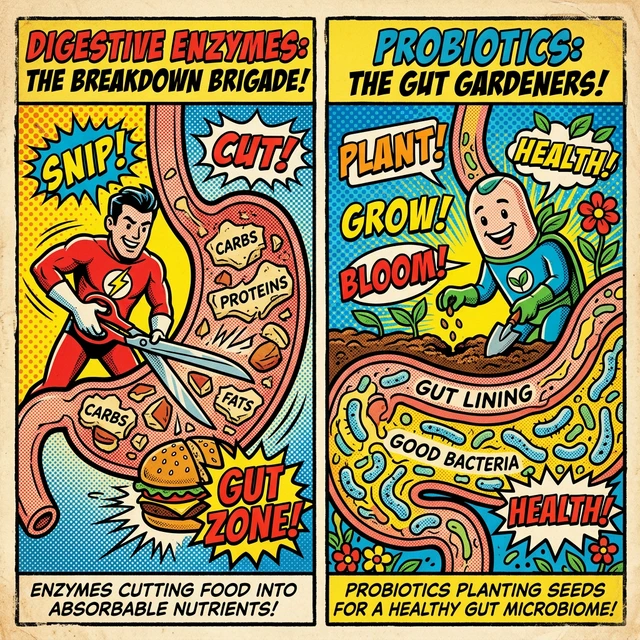
But how do they actually help IBS? Probiotics essentially go to work on the root causes of your symptoms by:
Here is the most important concept to understand: Strain specificity.
Not all probiotics are the same, just like not all dogs do the same job. A Golden Retriever and a Chihuahua are both dogs, but you would never ask a Chihuahua to be a seeing-eye guide dog.
Similarly, Lactobacillus acidophilus NCFM and Lactobacillus acidophilus from a random grocery store yogurt are completely different when it comes to IBS relief. The letters and numbers at the end (like NCFM or 35624) are the strain. That code matters. It is like the model number of a car. Generic "gut health" claims are meaningless without clinical trials for your specific IBS symptoms.
For instance, studies consistently show that people with IBS often have imbalanced gut bacteria, and this directly correlates with how severe their symptoms are 2. This is why simply adding generic bacteria to the mix rarely helps. You actually need specific strains proven to correct your unique gut imbalance and calm your specific immune responses.
If you are researching a different claim entirely, we also reviewed probiotics and male fertility evidence so you can separate sperm-health marketing from IBS symptom data.
If you keep seeing non-living microbial products on labels and are not sure how they differ from probiotic strains, this guide to postbiotics and what they are not helps sort the category before you compare products.
To visualize how psychological and physical distress can create a vicious cycle in your gut (and why probiotics that intervene in this cycle are so helpful), take a look at how the gut-brain axis mechanisms play out:
IBS-D presents with frequent loose stools, sudden urgency, and cramping. Dealing with IBS-D is exhausting, and it can make leaving the house feel like a risky endeavor. The right probiotic strain can help firm up stools, reduce that awful urgency, and decrease the frequency of flares.
Here are the top clinically backed strains for IBS-D:
Bottom line: If you have IBS-D, Saccharomyces boulardii and B. infantis 35624 are your strongest foundational options. If your diarrhea is always accompanied by intense bloating, you might also want to explore our how to reduce bloating guide for additional immediate strategies. And if urgency is still the symptom driving everything, pair probiotic choices with these low-FODMAP changes for IBS-D so the rest of the plan is working with you too. If your real question is not which strain fits IBS-D but how to compare strain-specific probiotics with adjacent plant-derived products, use what evidence matters when choosing probiotics for IBS-D.
IBS-C involves infrequent, hard stools, and a lot of uncomfortable straining. While finding the perfect fiber balance is crucial, specific probiotic strains can actually improve your gut's transit time (how fast food moves through you) and increase regularity.
Here are the top clinically backed strains for IBS-C:
Bottom line: Research on probiotics for IBS-C pain relief is slightly less conclusive than for IBS-D, but for getting things moving, the Bifidobacterium lactis family is the clear winner. Try pairing these regularity-boosting strains with a proper low FODMAP foods plan to amplify your results.
If constipation is still the main issue, pair probiotic decisions with these low-FODMAP changes for IBS-C so the rest of your routine supports bowel movement too.
Bloating is the number one most stubborn symptom across all IBS subtypes. Whether you lean toward constipation or diarrhea, the feeling of looking six months pregnant by the end of the day is a universal IBS struggle.
These strains target the gas and the pain directly:
It is important to note that unlike digestive enzymes which provide immediate, meal-by-meal relief, probiotics work gradually by rebalancing your entire gut ecosystem.
To make this exceptionally easy to reference, here is our breakdown summarizing exactly which strain matches your dominant symptom:
| Your Primary Symptom | Recommended Strain(s) | Clinical Evidence / Mechanism |
|---|---|---|
| Overall IBS Symptoms (IBS-M) | Bifidobacterium infantis 35624 | Proven to reduce abdominal pain, bloating, and bowel dysfunction globally. |
| Severe Bloating / Gas | Lactobacillus plantarum 299v | Decreases fermentation gas and drastically reduces bloating frequency. |
| Constipation (IBS-C) | Bifidobacterium lactis HN019 | Speeds up colonic transit time and increases bowel movement frequency. |
| Diarrhea (IBS-D) | Bacillus coagulans MTCC 5856 OR Saccharomyces boulardii |
Decreases stool frequency and improves stool consistency. S. boulardii supports the gut barrier. |
| Abdominal Pain | Lactobacillus acidophilus NCFM | Induces opioid receptors in the gut, turning down the "volume" on visceral pain. |
We know how hard it is to trust another supplement claim. If you want to see the actual science, here is a breakdown of the major clinical trials proving how specific probiotic strains help IBS:
| Reference | People Tested | Probiotic Strain(s) | Proven Results |
|---|---|---|---|
| Sinn et al 11, 2008 | 40 | L. acidophilus | Decreased pain and gut sensitivity in both groups, though overall symptom improvement wasn't significantly different from the placebo. |
| Hong et al 12, 2009 | 70 | B. bifidum BGN4, B. lactis AD011, L. acidophilus AD031, L. casei IBS041 | Significantly improved how often patients felt abdominal pain, reduced bloating distension, and normalized bowel habits. |
| Guglielmetti et al 13, 2011 | 122 | Bifidobacterium bifidum MIMBb75 | Significantly improved overall IBS symptoms, including major reductions in pain, discomfort, and bloating. |
| Cui and Hu 14, 2012 | 60 | B. longum and L. acidophilus | Significantly reduced pain scores and overall discomfort while improving bowel movements. |
| Dapoigny et al 15, 2012 | 50 | L. casei rhamnosus LCR35 | Significantly reduced abdominal pain for those with IBS-D, though no major difference was seen for mixed IBS (IBS-M). |
| Ducrotté et al 16, 2012 | 214 | Lactobacillus plantarum 299v | Cut average abdominal pain frequency by 51.9%. Also significantly reduced severe bloating and that frustrating feeling of incomplete emptying. |
| Amirimani et al 17, 2013 | 102 | Lactobacillus reuteri | Provided adequate symptom relief at least 50% of the time, although it didn't significantly change diarrhea or bloating compared to the placebo. |
| Begtrup et al 18, 2013 | 131 | L. paracasei F19, L. acidophilus La5, and B. lactis Bb12 | Improved overall symptom scores, reduced bloating and gas, and boosted overall quality of life. |
| Jafari et al 19, 2014 | 108 | Probio-Tec Quatro | Decreased abdominal pain and severe bloating, while reducing the feeling of incomplete emptying. |
| Ludidi et al 20, 2014 | 40 | Multispecies blend | Decreased gut pain sensitivity in both groups, but didn't show a significant difference in overall symptom improvement. |
| Pedersen et al 21, 2014 | 81 | Lactobacillus rhamnosus GG | Improved IBS severity scores and quality of life, matching the effectiveness of a strict low-FODMAP diet. |
| Sisson et al 22, 2014 | 186 | Liquid multi-strain (L. rhamnosus, L. plantarum, L. acidophilus, E. faecium) | Significantly reduced overall IBS severity, lowering abdominal pain and bloating while improving bowel habit satisfaction. |
Strain-level evidence is useful because it narrows the question. Instead of asking whether "probiotics" help everyone with IBS, it asks whether a named strain, blend, dose, and trial population improved a specific outcome.
That can tell you:
It cannot tell you:
Use strain evidence as a filter, not a guarantee. If you are already combining multiple gut-health products, step sideways into the supplement stack audit for IBS before adding another "just in case" capsule.
You know the strains. Now, how do you actually pick a bottle off the shelf that won't let you down? Follow this checklist to find a product that works:
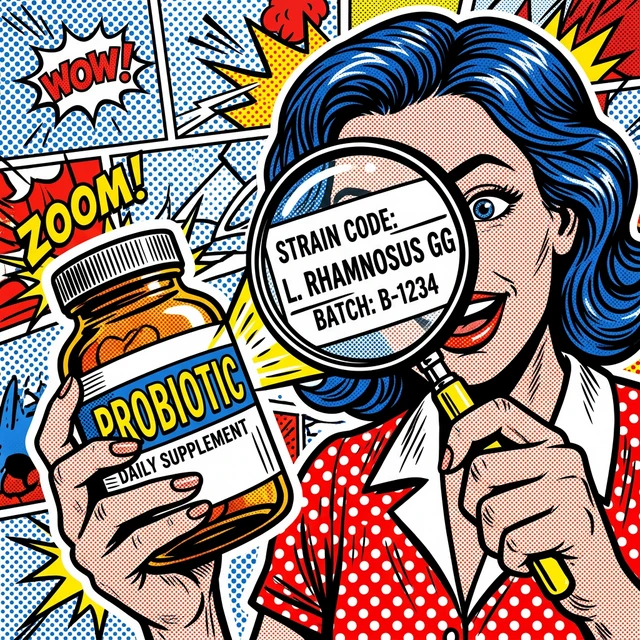
[!TIP] Download: The IBS Probiotic Buyer's Checklist Use this printable checklist to match your symptoms to the right strain, screen out trigger ingredients, and avoid wasting money on the wrong probiotic.
We promised we wouldn't oversell probiotics, and this is the most critical part you need to hear. Yes, probiotics can occasionally make your IBS worse, particularly in a few specific scenarios.
First, as mentioned above, added prebiotics like inulin and FOS can be a nightmare if you are prone to bloating. If you have underlying Small Intestinal Bacterial Overgrowth (SIBO), dumping prebiotics into your gut is like throwing gasoline on a fire.
Second, certain Lactobacillus species can produce histamine, which may trigger mast cells and visceral pain in histamine-sensitive individuals 24. If you notice that fermented foods consistently trigger a flare-up, you might need to avoid generic, multi-strain Lactobacillus blends.
Third, an initial adjustment period is totally normal. When you introduce new bacteria, there can be a temporary "die-off" reaction or a shift in the ecosystem. Passing extra gas or dealing with temporary bloating during the first 1 to 2 weeks does not mean it is failing.
What to do: Start low (maybe take half a dose for the first week) and go slow. Give those temporary side effects a week or two to resolve. However, if your symptoms worsen consistently beyond that, stop taking it. It might be a sign of a deeper issue. If you hit this wall, it's worth reading our guide on When the Low FODMAP diet doesn't work to see if you should test for underlying conditions.
Absolutely! In fact, probiotics and the phases of the Low FODMAP diet are excellent complements.
The restrictive phase of the Low FODMAP diet is incredibly effective because it starves problematic, gas-producing gut bacteria of their favorite fuel. However, staying in that restrictive phase too long can also starve out your good bacteria.
According to Monash University, probiotics can offer mild symptom improvement and may help safely offset any microbiome changes caused by the restrictive phase of the Low FODMAP diet 25. Strong clinical evidence even demonstrates that targeted probiotics (like L. rhamnosus GG) can provide symptom relief comparable to following a strict Low FODMAP diet, suggesting both are powerful independent tools for managing IBS 26.
If you want the food layer that sits beside probiotic decisions, use our guide to polyphenol foods for gut health instead of assuming every microbiome-support idea has to come in capsule form.
By combining the diet with a targeted probiotic, you are taking a two-pronged approach: the diet reduces the immediate fuel for the fire, and the probiotic gradually introduces beneficial tenants back into your gut neighborhood to restore long-term stability.
Just remember the golden rule: verify that your chosen probiotic supplement does not contain high-FODMAP ingredients like inulin, FOS, or artificial sweeteners in its filler ingredients!
And if you are tempted to stretch IBS probiotic data into bigger claims about cardiometabolic prevention, pause there and read our guide to the gut-heart axis first. Symptom support and heart-disease prevention are not the same evidence tier. For the mechanism layer behind those broader microbiome claims, use our explainer on polyphenols and the gut microbiome.
This is one part of the bigger hidden-label problem covered in our guide to hidden supplement ingredients.
The evidence is still growing, but based on what we know today, probiotics can absolutely help your IBS—as long as you use the right strain.
Generic "gut health" promises don't help people with IBS. Strain specificity is everything.
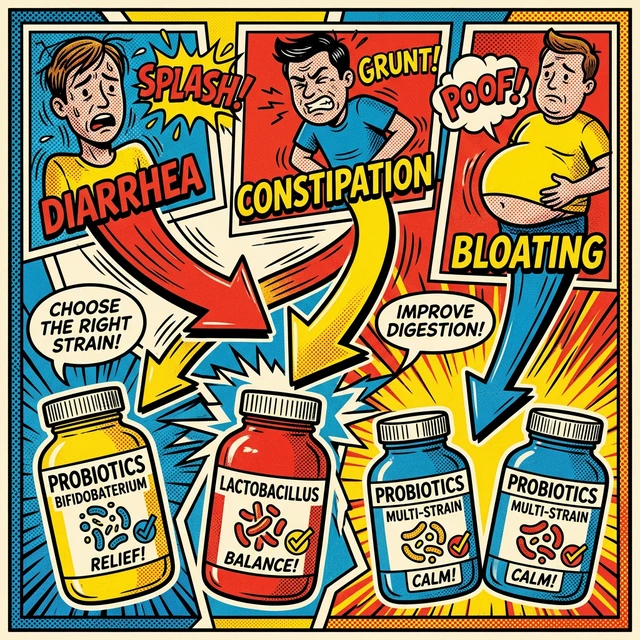
Here is your straightforward action plan:
You have spent enough time guessing. Armed with this evidence-based strategy, you can confidently choose a probiotic that actually moves the needle on your IBS and helps you get back to living your life comfortably.
If the problem is not a probiotic capsule but fermented foods or drinks causing bloating, reflux, diarrhea, flushing, hives, or headache, use histamine, fermented foods, and gut symptoms to sort food matrix, dose, acidity, and histamine-style clues.
Probiotics for IBS are most useful when the decision is strain-specific, symptom-specific, and tested one variable at a time. They are not a universal gut-health upgrade, a replacement for medical review, or a reason to keep stacking products when the pattern is getting harder to interpret.
Xam Riche is a gut health solopreneur and founder of YourFitNature, dedicated to helping people navigate digestive wellness through evidence-based information and personal experience. After years of struggling with IBS and bloating, Xam discovered the transformative power of the low FODMAP diet and now shares practical, science-backed guidance to help others find relief. While not a medical professional, Xam combines extensive research with lived experience to create accessible, empowering resources for the gut health community. Learn more about our mission
As an affiliate, we may earn from qualifying purchases.
Choose a focused guide for what you are noticing or deciding next.