 By • Published on March 31, 2026 • 17 min read • 2,354 views
This article is for informational and educational purposes only and does not constitute medical advice. Always consult with a registered dietitian, gastroenterologist, or other qualified medical professional before making significant dietary changes or starting treatment.
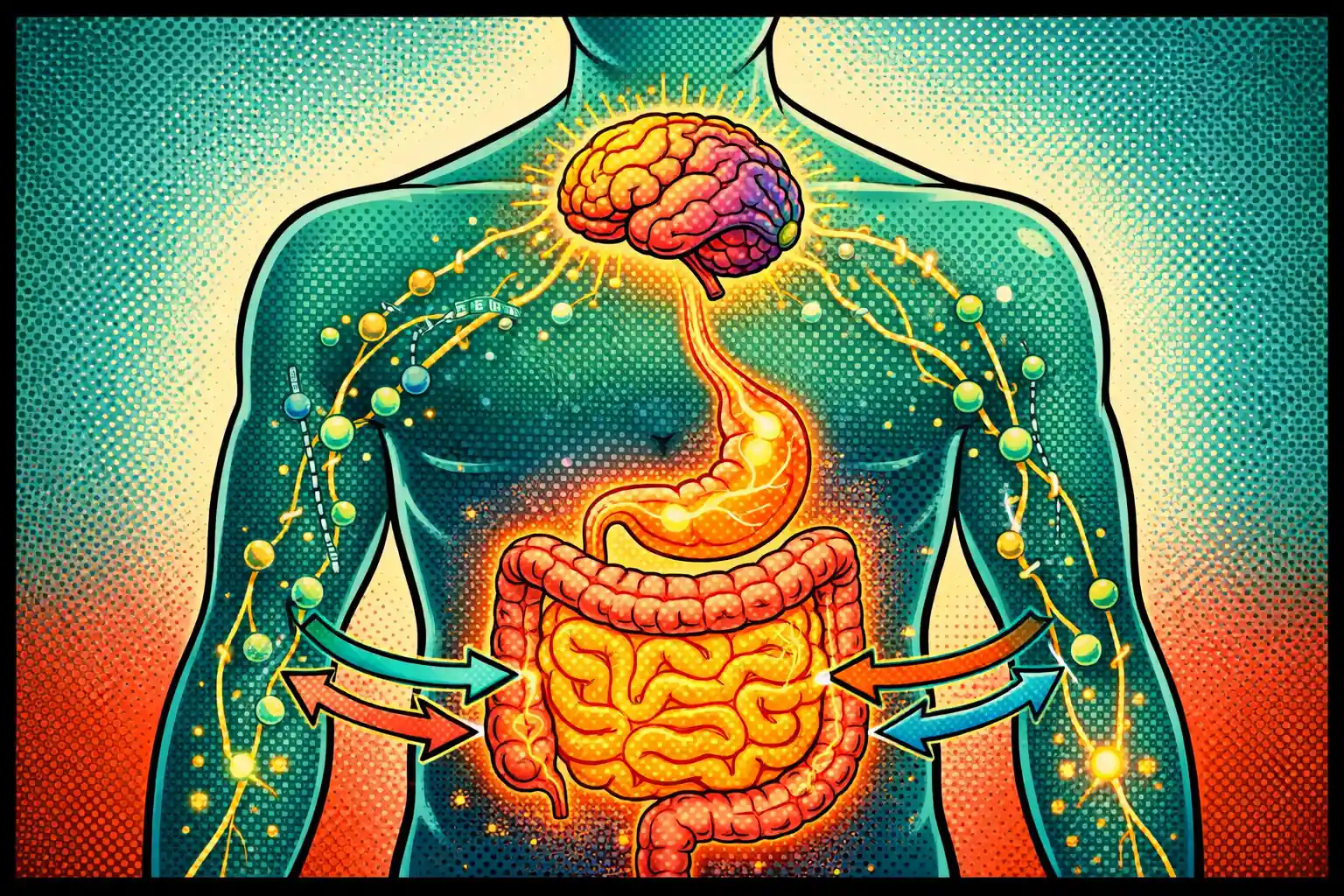
You've tried every elimination diet, chugged liters of water, and attempted every relaxation trick on the internet, yet IBS symptoms still control your days. This guide breaks down the latest pharmacological breakthroughs in IBS treatment, from serotonin receptor modulators to nerve-pain silencers, translating complex neuroscience into clear, actionable information you can bring to your next gastroenterology appointment.
Short answer: IBS treatment gets more useful when you stop asking for one best drug and start matching the treatment class to the dominant pattern: diarrhea, constipation, pain amplification, or gut-brain sensitivity.
This page is for you if you are past the basics and need a clearer map of what treatment escalation can look like with a clinician.
Use a different page first if you still need broader troubleshooting or a smaller symptom-tool decision. Start with when-low-fodmap-doesnt-work-next-steps or peppermint-oil-for-ibs.
This page explains a treatment-ladder decision:
This page is not mainly explaining:
If that red-flag question is the real issue, stop here and use IBS vs colorectal warning signs before treating the pattern like uncomplicated IBS.
If you've eliminated your trigger foods, tried the dietary changes, drank gallons of water, and attempted every stress management technique under the sun, yet you're still suffering from painful bloating and irregular bowels, you are not alone.
For millions of people with Irritable Bowel Syndrome (IBS), standard lifestyle advice simply isn't enough. The good news? The scientific understanding of IBS is advancing rapidly. Researchers are moving past generic advice and zeroing in on targeted molecular therapies that treat the root neurological and cellular causes of your symptoms.
At the core of this research is the Gut-Brain Pain Loop. Stress, poor microbiome health, and inflammation can trigger your gut's nervous system into a state of hyper-alertness, making normal digestion feel like agony.
Let's break down the newest medical breakthroughs in IBS treatment, explaining the complex neuroscience in terms you can actually understand.
You probably know serotonin as the "happy chemical" in your brain, but over 90% of your body's serotonin is actually produced and used in the gut. It acts as the master regulator of how fast food moves through your digestive tract and how intensely your gut feels pain.
Researchers have pinpointed specific serotonin receptors (called 5-HT receptors) that can be targeted by medications:
[!TIP] Modulating Serotonin Naturally: A healthy gut microbiome produces much of your serotonin. High-quality IBS-specific probiotics can help balance your gut flora while you investigate medical therapies.
If you lean toward IBS-D, pair these insights with our IBS-D and low FODMAP dietary guide. If you want the narrower gut-brain mechanism behind urgency and 5-HT3 medicines, read serotonin and IBS-D. If constipation drives your picture, start with IBS-C and low FODMAP.
If diarrhea, urgency, and loose stools are still dictating your day after you've cleaned up food triggers, meal rhythm, and stress inputs, this is where subtype-specific IBS-D medication choices become relevant. Keep your food strategy running with IBS-D and low FODMAP, but do not force diet to do the whole job alone.
Loperamide remains a common symptom-control tool when stool frequency, looseness, and urgency are the dominant problem. The AGA suggests it for IBS-D, but the ACG notes the limitation clearly: it may improve diarrhea control without meaningfully improving the whole IBS syndrome, especially pain and bloating 1 2. That makes it more of a bowel-speed tool than a full gut-brain treatment.
Best fit: IBS-D days dominated by urgency, loose stools, or situations where you need short-term control 3.
Main caution: It can make the stool look better while leaving pain, bloating, or post-meal reactivity largely unchanged 4.
Some IBS-D patients may actually have bile acid malabsorption layered into the picture. The ACG does not suggest bile acid sequestrants as routine therapy for global IBS-D symptoms because controlled evidence is weak, but it also notes that an empiric trial can be reasonable when bile acid malabsorption is suspected 5.
Best fit: Watery diarrhea patterns that look more bile-acid-driven than pain-dominant 6.
Example: Cholestyramine or colesevelam, used selectively rather than as a default IBS-D medication 7.
Main caution: This is a niche fit, not a routine answer for every person with IBS-D 8.
Serotonin in the gut helps regulate motility, secretion, and visceral sensation. That is why 5-HT3 antagonists can be useful in IBS-D: they slow a fast, urgent gut and can improve stool consistency, stool frequency, and urgency 9 10.
Rifaximin is a nonabsorbed antibiotic that targets gut microbial signaling rather than acting like a classic anti-diarrheal. The ACG recommends it for global IBS-D symptoms, and pooled trial data showed a short 2-week course improved both abdominal pain and stool consistency more often than placebo; retreatment is also supported when symptoms recur 16 17. It is especially useful when bloating is one of the symptoms making IBS-D feel unmanageable.
Best fit: IBS-D with recurrent loose stools plus bloating 18.
Main caution: It is more of a short-course reset than a medication you stay on every day forever 19.
Eluxadoline works through peripheral opioid signaling in the gut, helping slow diarrhea while also targeting pain more directly than loperamide. Both ACG and AGA support it for IBS-D, and the ACG notes benefit even in patients who previously reported inadequate control with loperamide 20 21.
Best fit: IBS-D with both diarrhea and pain when simpler anti-diarrheal support has not been enough 22.
Main caution: This is where screening matters. Eluxadoline is contraindicated in patients without a gallbladder and in those with a history of pancreatitis, alcoholism, alcohol abuse, or more than three alcoholic drinks per day because pancreatitis and sphincter of Oddi spasm are the key warning flags 23 24.
One of the most challenging aspects of IBS is visceral hypersensitivity. This means your gut's nerves are so sensitive that a normal amount of gas or digestion registers in your brain as severe pain. Scientists are testing multiple ways to turn down this "pain volume dial."
If you want the neuroscience explanation for why those signals can feel so loud in the first place, read what brain imaging shows in IBS. If the pain pattern is stress-sensitive, cycle-sensitive, or persistent after bowel speed improves, use the deeper chronic visceral pain bridge.
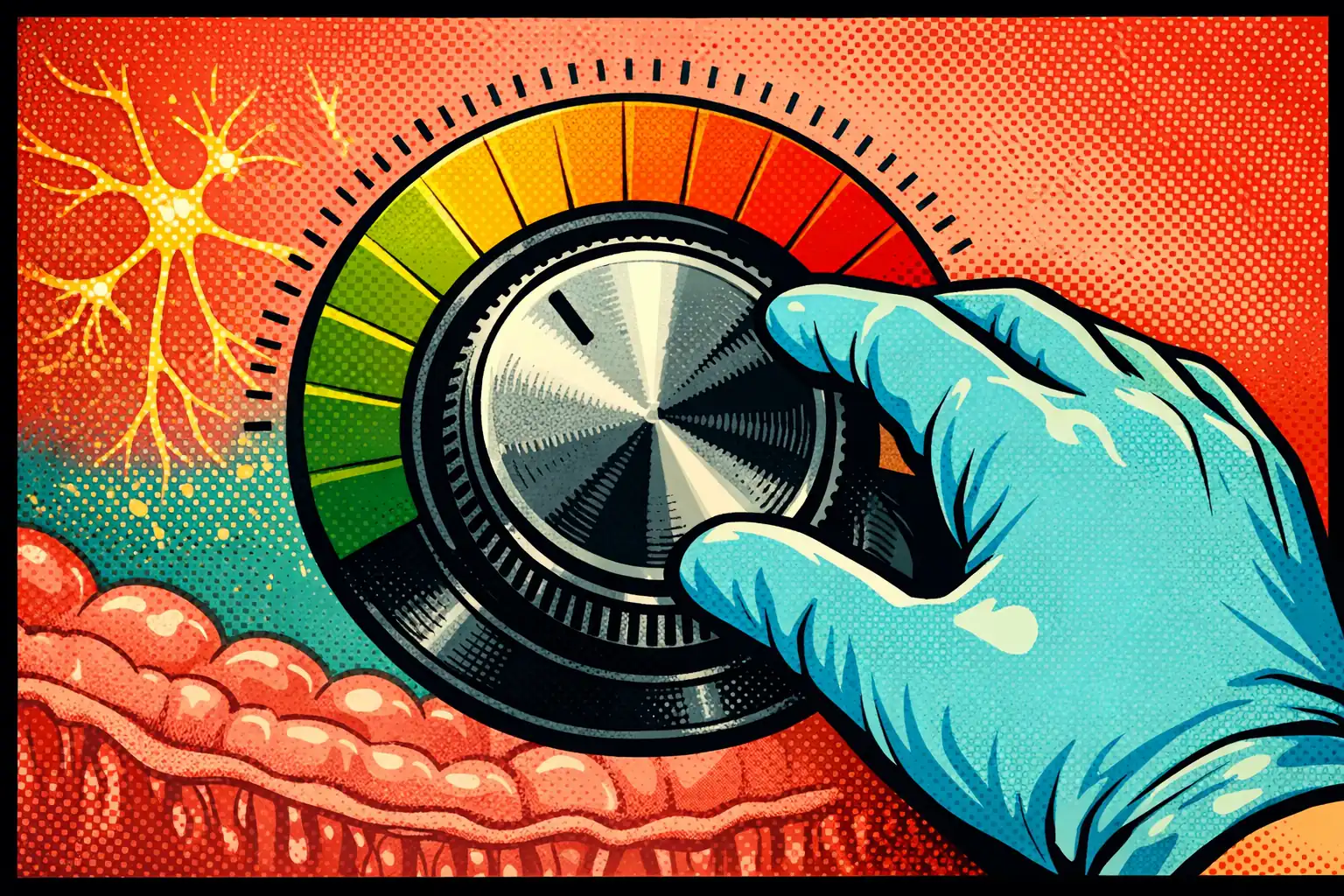
Substance P is a neuro-chemical linked to pain and stress responses. When it binds to Neurokinin-1 Receptors (NK1R), it triggers anxiety and pain signals. Research has shown that blocking these receptors (using NK1R antagonists) can significantly reduce the pain and emotional distress caused by IBS flare-ups 25.
Gabapentinoids, traditionally used to treat nerve pain (neuropathy), calm down an overactive central nervous system. When the gut's pain signals become a roar, these medications have shown significant promise in quieting the nervous system and reducing the severity of IBS discomfort 26.
Brain-Derived Neurotrophic Factor (BDNF) is essential for nerve health, but in patients with IBS, researchers have discovered abnormally high levels of BDNF in the colon. This excess actually worsens abdominal pain by making nerve endings overly sensitive. Therapies designed to inhibit this overactive BDNF system are a promising frontier for IBS relief 27.
We now know that many IBS cases, especially Post-Infectious IBS (PI-IBS), are driven by persistent, low-grade inflammation in the gut wall long after acute food poisoning ends.
Toll-Like Receptors (TLRs) act as the gut's immune security guards. When they detect bacterial imbalances (dysbiosis), they trigger inflammatory alarms. Studies show that IBS patients have hyper-reactive TLRs, causing chronic, low-level inflammation that directly contributes to abdominal pain 28. Developing medications to calm these specific immune triggers is a major area of active research.
While you may know benzodiazepines as anti-anxiety medications (like Valium), the gut has its own localized BZD receptors. By targeting just the peripheral BZD receptors in the gut, researchers hope to calm gut spasms and local autonomic nervous system misfires without making the patient sleepy or targeting the brain.
It's no secret that IBS disproportionately affects women, and symptoms often worsen dramatically during the menstrual cycle. The science now shows exactly why.
Sex steroid receptors for estrogen and progesterone heavily influence pain pathways. Hormonal shifts can trigger heightened activity in the amygdala (the brain's emotional epicenter), directly amplifying the perception of gut pain. While men generally report less visceral hypersensitivity overall, they often show higher sympathetic ("fight or flight") nervous system responses to gut pain. Recognizing these stark physiological differences means future IBS treatments could be tailored specifically by biological sex.
There isn't, and likely never will be, a single "magic pill" for IBS.
The future of IBS treatment is personalized, combination therapy. A gastroenterologist may prescribe a low-dose neuromodulator (like an SSRI) to treat the brain-gut pain signals, an antispasmodic for acute flare-ups, and strongly recommend targeted dietary adjustments to maintain microbiome harmony over the long term.
[!IMPORTANT] Check Your Baseline First: Before pursuing complex prescription regimens, ensure you've effectively trialed clinical diets (like Low-FODMAP) under professional guidance. If diet alone hasn't been enough, our guide on what to do when Low FODMAP doesn't work can help you figure out the next step.
These categories are conversation lanes, not self-prescribing instructions. Use them to describe your symptom pattern more clearly and to ask which options fit your history, medication list, risks, and goals.
| Target Class | Mechanism | Best Fit | Primary IBS Subtype | Example / Key Caution |
|---|---|---|---|---|
| Antidiarrheal Support | Slows bowel transit and urgency. | Rescue support for diarrhea-heavy days. | IBS-D | Loperamide; often helps diarrhea control more than global pain 29 30. |
| Bile Acid Sequestrants | Binds excess bile acids in the colon. | Suspected bile-acid-driven diarrhea pattern. | Select IBS-D | Cholestyramine or colesevelam; not routine therapy for global IBS-D symptoms 31. |
| 5-HT3 Antagonists | Blocks serotonin signals to slow transit and reduce urgency. | Fast-transit, urgency-heavy IBS-D. | IBS-D | Alosetron, ondansetron, ramosetron; constipation risk matters, and alosetron is restricted to women with severe IBS-D after failed conventional therapy 32 33. |
| Rifaximin | Nonabsorbed antibiotic modulating gut microbial signaling. | Bloating-forward IBS-D with recurrent loose stools. | IBS-D | Short-course therapy; retreatment can help symptom recurrence 34 35. |
| Mixed Opioid Agonist/Antagonist | Alters gut opioid signaling to reduce diarrhea and pain. | IBS-D when loperamide is not enough. | IBS-D | Eluxadoline; avoid without a gallbladder or with pancreatitis risk 36 37. |
| 5-HT4 Agonists | Stimulates serotonin receptors to trigger muscle contractions. | Slowed motility and severe constipation. | Severe IBS-C | Tegaserod (Speeds up motility). |
| Neuromodulators | Central acting on the brain-gut axis to alter pain perception. | Pain-predominant IBS or IBS with strong brain-gut amplification. | All subtypes (dose varies) | TCAs (amitriptyline), with SSRIs used more selectively. |
| Gabapentinoids | Calms the overactive nervous system (hypersensitivity). | Refractory visceral pain. | Pain-dominant IBS | Pregabalin (used for severe visceral pain). |
| NK1R Antagonists | Blocks Substance P to reduce pain-induced stress. | Stress-reactive pain flares under investigation. | Emerging research | Still in trial-stage use. |

🎁 Free Resource: IBS Treatment Quick-Reference Guide Want to bring this information to your next appointment? Download our IBS Treatment Quick-Reference Guide, a printable summary of every pharmacological target discussed in this article so you and your gastroenterologist can have the most productive conversation possible.
| Lane | What it is trying to change | Bring this question to care |
|---|---|---|
| Diet and routine | Meal triggers, fiber fit, constipation, diarrhea, and baseline noise. | "Have I done enough structured diet and bowel-routine work to make medication decisions clearer?" |
| Medicines | Diarrhea, constipation, cramping, pain signaling, or bloating-forward IBS-D. | "Which symptom pattern are we targeting, and what side effects or contraindications matter for me?" |
| Gut-brain therapies | Pain amplification, urgency fear, stress-reactive flares, and nervous-system loops. | "Would CBT, gut-directed hypnotherapy, or a neuromodulator fit this pattern better than more diet restriction?" |
| Supplements | Peppermint oil, fiber type, probiotics, minerals, or overlapping product stacks. | "Which one variable is worth testing, and what should I stop or simplify first?" |
| Safety evaluation | Red flags, new bowel changes, anemia, bleeding, weight loss, fever, vomiting, or obstruction-like signs. | "Is this still an IBS-management question, or do we need to rule something else out first?" |
IBS treatment is not one ladder everyone climbs in the same order. It is a set of clinician-guided lanes: diet and routine, medicines, gut-brain therapies, supplements, and safety evaluation. The safest next step is to name the pattern you are trying to change, bring a clear symptom record, and avoid adding several new products or medications at once.
Xam Riche is a gut health solopreneur and founder of YourFitNature, dedicated to helping people navigate digestive wellness through evidence-based information and personal experience. After years of struggling with IBS and bloating, Xam discovered the transformative power of the low FODMAP diet and now shares practical, science-backed guidance to help others find relief. While not a medical professional, Xam combines extensive research with lived experience to create accessible, empowering resources for the gut health community. Learn more about our mission
As an affiliate, we may earn from qualifying purchases.