 By • Published on December 15, 2025 • 18 min read • 1,145 views
This article is for informational and educational purposes only and does not constitute medical advice. Always consult with a qualified healthcare professional before using diet or symptom information to make diagnosis or treatment decisions.
Follow this 7-part series to learn everything you need to know to successfully start and complete the low-FODMAP diet for bloating relief.
You're reading: Low FODMAP Diet for Beginners: How to Start
Discover the Low FODMAP diet, a clinically validated 3-phase protocol designed to identify dietary triggers for IBS and bloating. From the strict elimination phase to systematic reintroduction and long-term personalization, this guide provides a roadmap to gut health. Learn which foods to eat and avoid, how to test your tolerance, and practical life hacks—like using garlic-infused oils and digestive enzymes—to reclaim your comfort and focus.
Short answer: the easiest way to start low FODMAP is to keep week one small and repeatable, using a short list of safe staples, simple meals, and clear portion rules instead of trying to master the whole diet in one weekend.
This page is for you if you already decided low FODMAP is worth trying and now need the practical setup for the first elimination week.
Use a different page first if you still need the fit question answered in What Is the Low FODMAP Diet for Bloating?, or if you want the mechanism and phase logic in Low FODMAP Diet for Bloating: How It Helps & The 3 Phases Explained.
Gut dysfunction isn't just uncomfortable; it's a massive drag on your daily performance. Research shows that IBS symptoms can significantly reduce productivity and cognitive function, mainly due to the Gut-Brain Axis. When your gut is inflamed, it disrupts serotonin production—over 90% of which is made in the gut1—affecting your mood, focus, and energy.

The Low FODMAP Diet is a clinically validated protocol developed by Monash University to manage these symptoms. It works by identifying and removing specific carbohydrates that trigger bloating and distress.
FODMAPs are specific short-chain carbohydrates that are poorly absorbed in the small intestine. When they reach the large intestine, they are fermented by bacteria, causing gas and fluid shifts that lead to bloating2.
For a comprehensive guide, see What is the Low FODMAP Diet?.
Many "healthy" foods are actually high in FODMAPs. For example:
The protocol moves from general "healthy eating" to a functional approach for your specific biology.
The protocol is not a life sentence. It is a diagnostic experiment designed to isolate variables. It follows a strict 3-Phase structure 3:
Most failures occur because individuals stay in Phase 1 forever (leading to nutrient deficiencies and microbiome starvation) or skip Phase 2 (learning nothing).6
If you want the clearer mechanism and timeline first, read how low FODMAP helps with bloating.
[!TIP] Stay on Track: Download the Low FODMAP Phase Checklist (PDF) to ensure you follow each phase correctly.

The goal of Phase 1 is to calm the gut by strictly eating Low FODMAP foods for 2-6 weeks. This "quiets the noise" so you can establish a symptom-free baseline.
These are your safe staples. They provide nutrients without the bloating. Download Week 1 Shopping List (PDF)
If you want a simpler first step, use this low FODMAP grocery list for beginners to stock your first week without overthinking every aisle.
Once the basics are in your kitchen, set yourself up for the week with this low FODMAP meal prep routine.
If your IBS leans constipated, use this low FODMAP for IBS-C guide so your first phase does not accidentally become too low in fiber.
If your bigger question is whether stool backup is causing the pressure in the first place, start with constipation and bloating before assuming every flare needs stricter elimination.
If your IBS leans diarrhea-predominant, use this guide to low FODMAP for IBS-D so the plan gets calmer without becoming too small.
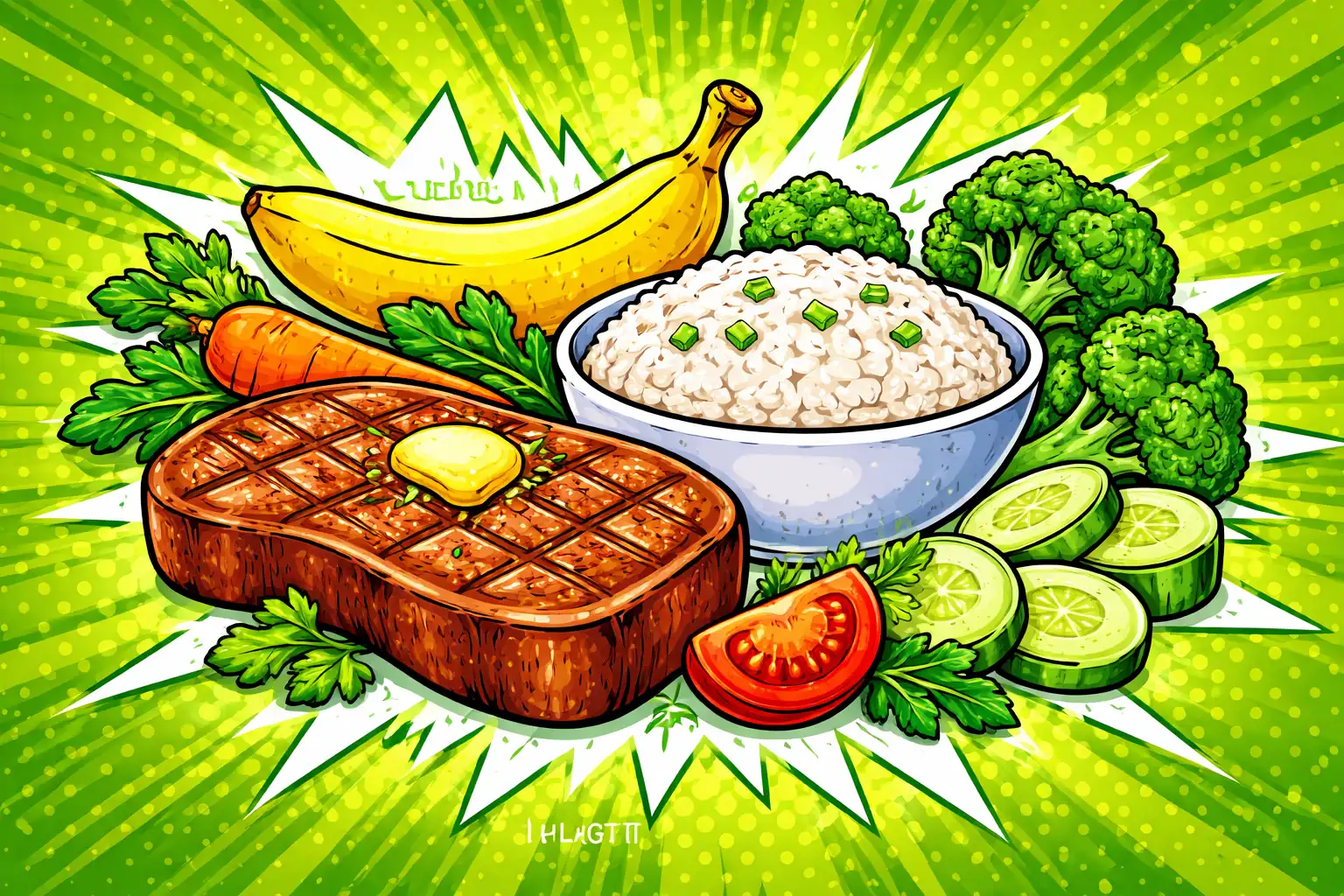
Protein is the single most important macronutrient for body composition ("Grow or Die"). Pure protein contains no carbohydrates, and therefore, zero FODMAPs. It is the safest category.
Carbohydrates are fuel. During elimination, we select sources that are easily absorbed.
Volume eating is crucial for satiety. These vegetables allow for high food volume without the gas tax.
We select fruits where glucose ≥ fructose.
If accidental stacking still feels abstract, read our plain-English explanation of FODMAP stacking.
Fats contain no carbs. They are safe.
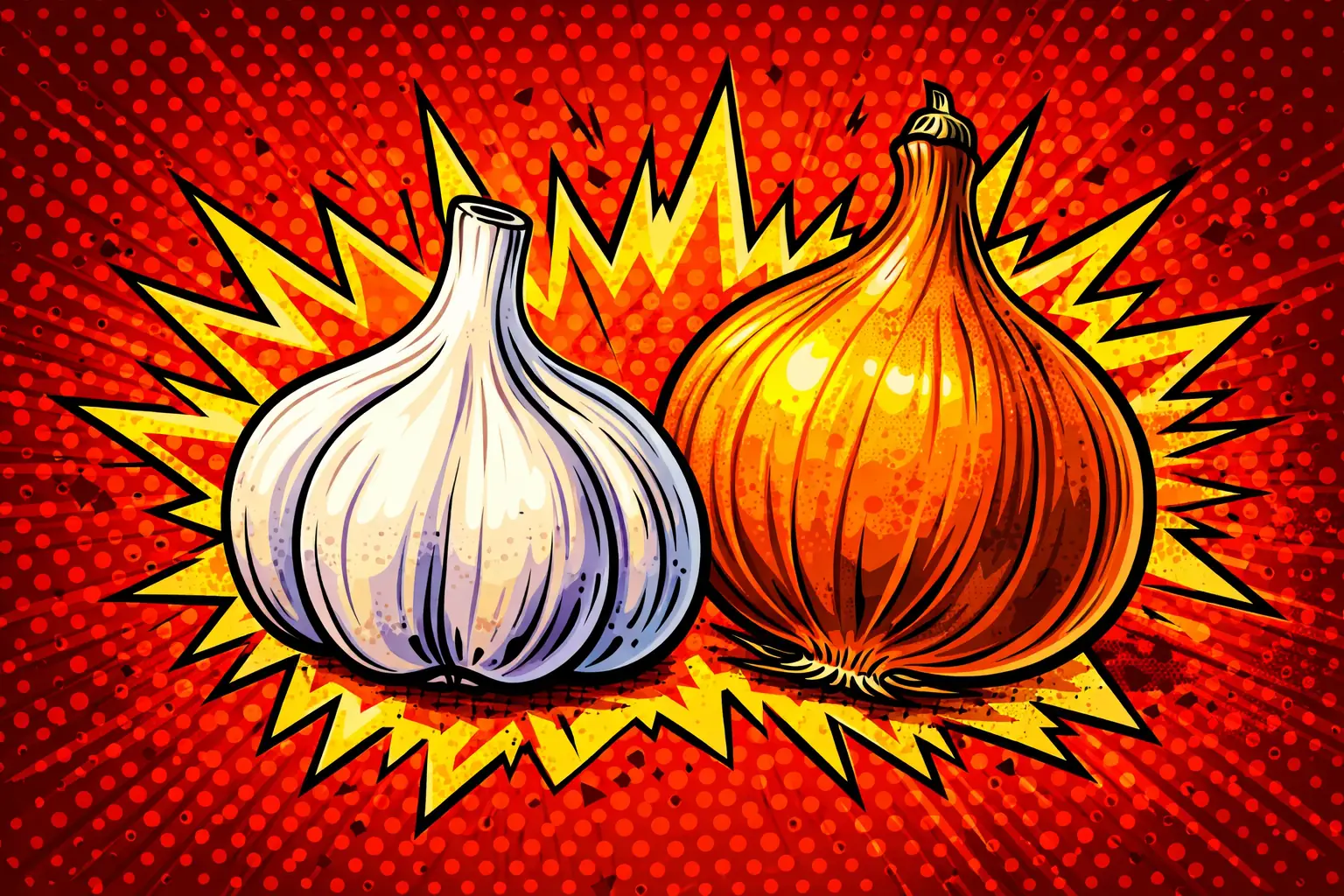
Avoid these common triggers during the elimination phase.
| Category | Red Light (High FODMAP) | Why It Triggers |
|---|---|---|
| Vegetables | Garlic & Onion | High Fructans. Found in most savory dishes. |
| Cauliflower, Mushrooms | High Mannitol. | |
| Asparagus, Artichokes | High Fructose/Fructans. | |
| Fruits | Apples, Pears | High Fructose & Sorbitol. |
| Peaches, Plums | High Sorbitol. | |
| Dried Fruit | Concentrated sugar load. | |
| Grains | Wheat, Rye, Barley | High Fructans. |
| Legumes | Kidney Beans, Soy Beans | High GOS (gas producing). |
| Dairy | Regular Milk, Soft Cheese | High Lactose. |
| Sweeteners | Honey, Agave, HFCS | High Fructose. |
| Sorbitol, Xylitol | Sugar alcohols (major bloating content). |
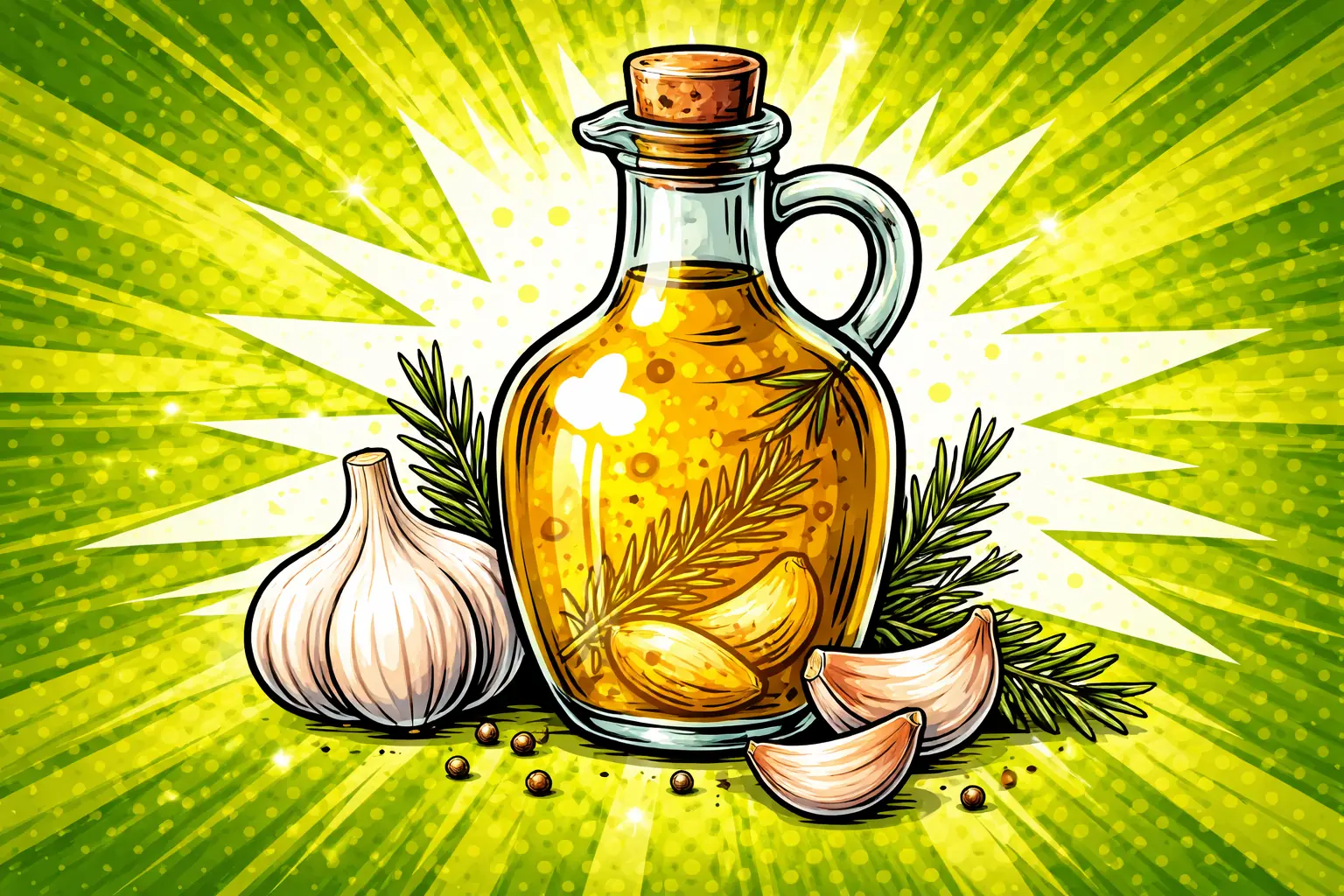
You can miss the chemical pain of garlic without missing the flavor.
The Hack: Commercial Garlic-Infused Olive Oil.
The Science: Fructans (the carbohydrate in garlic) are water-soluble but not oil-soluble.
Action Step: Replace all cooking oil with garlic-infused olive oil. This simple swap removes 50% of the "Sacrifice" sensation of the diet.
Nutrition is not just about avoiding pain; it is about fueling growth. The diet must support muscle protein synthesis and energy demands.
Alex Hormozi advocates for ~1g of protein per pound of body weight to support muscle mass.14
To calculate the intake, use the Hormozi multiplier 16:
The Elimination Phase is temporary. The goal is to reintroduce FODMAPs systematically to increase nutritional variety and identify your unique triggers. Do not stay in Phase 1 forever.

We use a specific testing methodology to isolate variables.
For each test, we use a 3-Day Escalation Protocol to determine the "Threshold." Sensitivity is rarely binary; it is dose-dependent.17
If you want a fuller breakdown of challenge timing, symptom logging, and what to do when a test goes badly, read our step-by-step low FODMAP reintroduction guide.
Rules of Engagement:
We use specific "Challenge Foods" that are high in only one FODMAP group to isolate the variable. Using a food high in multiple FODMAPs (like an apple) would muddy the data.19
[!NOTE] Track Your Results: Use the Daily Symptom Diary Template (PDF) to record your reactions accurately.
Once the data is gathered, the "diet" as a restrictive entity ends. What remains is a personalized operating system designed for your specific biological machine.

This personalization maximizes the "Dream Outcome" (food freedom) while minimizing the "Effort" (unnecessary restriction).
Bread is a massive friction point. The Grand Slam solution is Traditional Sourdough.
Restaurants can be tricky, but you can navigate them by following simple rules.26
Always order a plain protein (Steak, Chicken, Fish) with no marinade or seasoning (salt/pepper only). Seasoning often hides garlic/onion powder.
This gives you control. Use lemon juice and olive oil as a safe dressing.
Baked potatoes, plain rice, and fries (salt only) are generally safe options.
When speed is the priority, utilize these pre-vetted options.27
| Chain | Safe Order | Modifications (Crucial) |
|---|---|---|
| McDonald's | Quarter Pounder / Burger | No Bun, No Ketchup (HFCS), No Onions, No Pickles. Just Meat, Cheese, Salt. |
| Fries | Safe in many regions (check for wheat beef flavoring in US). | |
| Burger King | Whopper (Patty) | No Bun, No Ketchup, No Onions. Add Mayo/Mustard. |
| Chipotle | Burrito Bowl | White Rice, Carnitas (Pork) or Chicken (check marinade), Lettuce, Cheese. NO Beans, NO Salsa, NO Guac (unless tolerant). |
| Sushi | Sashimi / Nigiri | Plain fish on rice. Avoid Tempura (Wheat) and "Spicy" sauces (Garlic/Mayo). |
| Chick-fil-A | Grilled Nuggets | Check marinade ingredients. Waffle fries are generally safe (cooked in canola). |
Travel disrupts routine. Routine is the friend of the gut.
If your body lacks the enzymatic machinery to break down certain foods, you can supplement it. Digestive Enzymes are a powerful tool for Phase 3 (Maintenance) and dining out.29

Warning: These should not be used in Phase 1 (Elimination) because they mask the symptoms you are trying to measure. Use them in Phase 3 to expand lifestyle freedom.
The beginner win is not perfection. It is getting through the first week with a clean enough setup that your gut gives you usable feedback instead of more confusion.
A beginner low-FODMAP plan should make the first week calmer and easier to read, not smaller forever. Start with a simple baseline, avoid over-tracking, and move toward reintroduction once symptoms are stable enough to test foods instead of guessing.
Xam Riche is a gut health solopreneur and founder of YourFitNature, dedicated to helping people navigate digestive wellness through evidence-based information and personal experience. After years of struggling with IBS and bloating, Xam discovered the transformative power of the low FODMAP diet and now shares practical, science-backed guidance to help others find relief. While not a medical professional, Xam combines extensive research with lived experience to create accessible, empowering resources for the gut health community. Learn more about our mission
As an affiliate, we may earn from qualifying purchases.
Choose a focused guide for what you are noticing or deciding next.