 By • Published on December 9, 2025 • 18 min read • 1,219 views
This content is for informational and educational purposes only and does not constitute medical advice. Always consult with a registered dietitian, gastroenterologist, or other qualified medical professional before making significant dietary changes, especially if symptoms are severe, persistent, or linked with weight loss, bleeding, fever, vomiting, or an eating-disorder history.
Follow this 7-part series to learn everything you need to know to successfully start and complete the low-FODMAP diet for bloating relief.
You're reading: Low FODMAP Foods to Eat for Bloating Relief
Bloating doesn't have to control your life. This comprehensive guide reveals exactly which foods you CAN eat on a low FODMAP diet—from vegetables and fruits to proteins, grains, and dairy alternatives—with precise portion sizes backed by scientific research. Learn why certain foods trigger bloating (hint: it's about water retention and rapid fermentation) and discover how to build satisfying meals that keep your gut happy and your belly flat.
Short answer: this page is your elimination-phase safe-food library. Use it to choose lower-FODMAP vegetables, fruits, proteins, grains, dairy options, and portion-aware staples you can build real meals around.
This page is for you if your next question is practical: "What can I reliably eat right now?"
Use a different page first if you still need the overall protocol in Low FODMAP Diet for Bloating: How It Helps & The 3 Phases Explained, or if your real problem is shopping and label-reading in Low FODMAP Grocery List for Beginners.
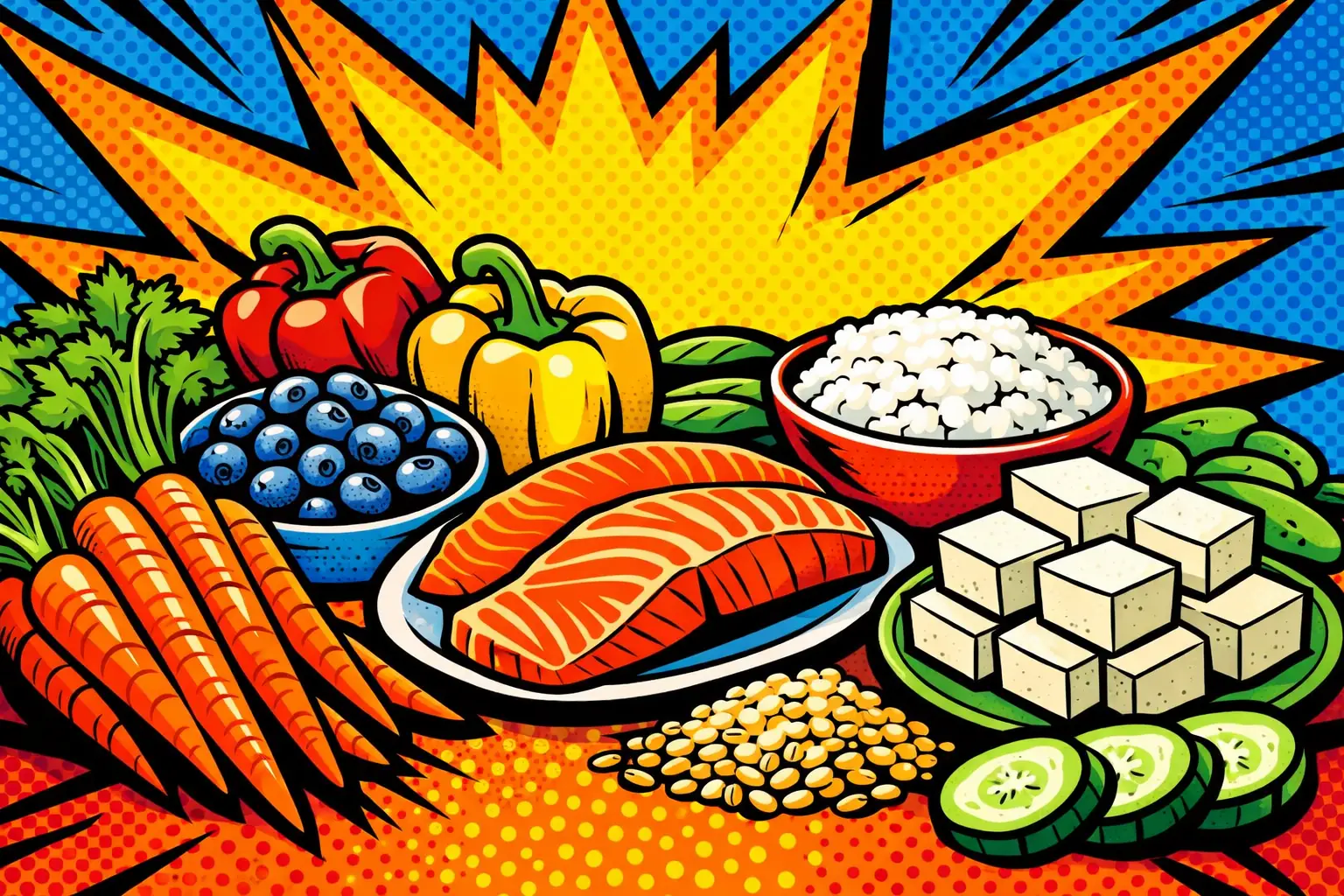
Stop obsessing over what you can't eat. Focus on what you can eat to beat bloating. A low FODMAP diet is easier when you fill your plate with safe foods instead of feeling deprived 1.
These foods don't ferment in your gut. They won't feed gas-producing bacteria or puff you up 2. Clinical studies show the Low-FODMAP diet significantly reduces bloating (OR = 0.13) and abdominal pain (OR = 0.17) 3. You can enjoy meals without the belly bloat.
Here's your no-bloat food list by category (veggies, fruits, proteins, grains, dairy, nuts, oils). Build your meals from these and feel relief fast.
If you want to turn this into a real supermarket plan, use our low-FODMAP grocery cart guide for beginners.
[!TIP] Download: Complete Low FODMAP Safe Foods List Keep this master list on your phone to shop without fear.
Need the 10,000-foot view before you meal prep? Read What Is the Low FODMAP Diet for Bloating. Then plug this food list into the Low FODMAP Diet Bloating 3-Phase Plan so every stage has a clear grocery map.
(Note: even low-FODMAP foods have limits. Portion size matters. Some foods are only low FODMAP up to a point (e.g. 1/2 cup might be safe, but 1.5 cups can turn high FODMAP) 4. And combining too many "moderate" FODMAP items in one meal can add up (called FODMAP stacking) 5. FODMAPs eaten 2-4 hours apart can overlap in your gut, compounding the effect. Keep portions moderate and space out borderline foods.)
If you want the full troubleshooting version, read our guide to why low-FODMAP foods can still trigger symptoms.
[!IMPORTANT] Download: Low FODMAP Portion Size Cheat Sheet Check exact safe serving sizes for "moderate" foods like avocado and sweet potato.
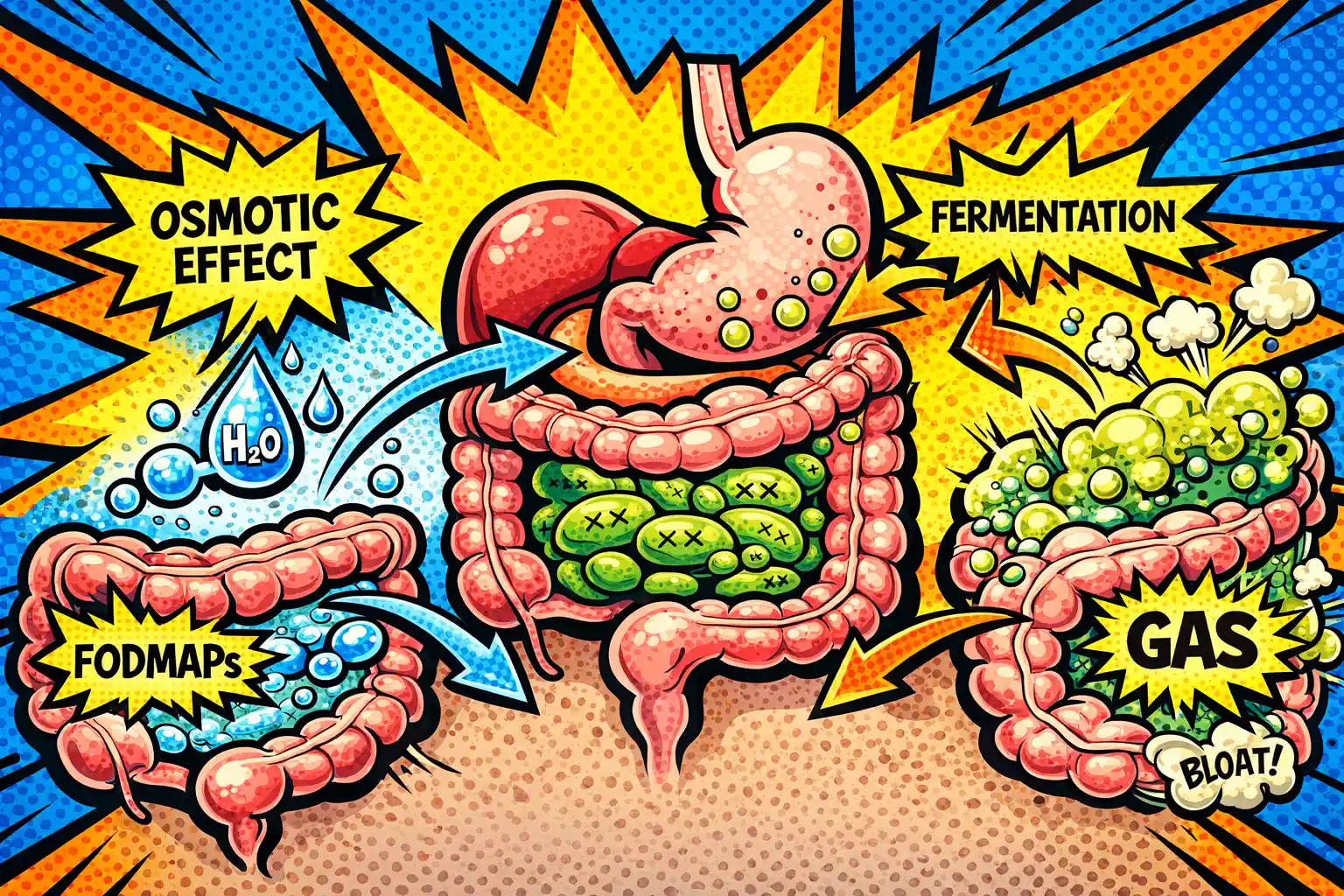
Understanding why certain foods cause bloating helps you make smarter choices. Here's what's happening inside your gut:
The Double Whammy: Water + Gas
FODMAPs (Fermentable Oligosaccharides, Disaccharides, Monosaccharides, and Polyols) are short-chain carbohydrates your small intestine can't fully absorb 6. When they stay in your gut, two things happen:
Osmotic water pull – These tiny molecules act like sponges, drawing water into your intestines. MRI studies confirm that fructose and sugar alcohols significantly increase small bowel water content 7. This fluid stretches your gut wall, making you feel bloated before gas even enters the picture.
Rapid fermentation – When unabsorbed FODMAPs reach your colon, gut bacteria feast on them and produce gases (hydrogen, carbon dioxide, methane) 8. Unlike slow-fermenting fiber, FODMAPs ferment fast – causing quick gas buildup that distends your belly.
Visceral Hypersensitivity: Your Gut Overreacts
Here's the kicker: many people with IBS don't produce more gas than others – their gut just feels it more intensely 9. This is called visceral hypersensitivity. Normal amounts of distension that healthy guts ignore get interpreted as bloating, pain, or urgency. By reducing water influx and gas production, the low FODMAP diet keeps stimulation below your sensitivity threshold.
Bottom line: Low FODMAP foods don't trigger the water-pulling or rapid-fermentation cascade - so you stay comfortable.
Still puffy even when the menu is perfect? Stack the nervous-system fixes inside Stress Bloating Through the Gut-Brain Axis so cortisol stops undoing your food wins.
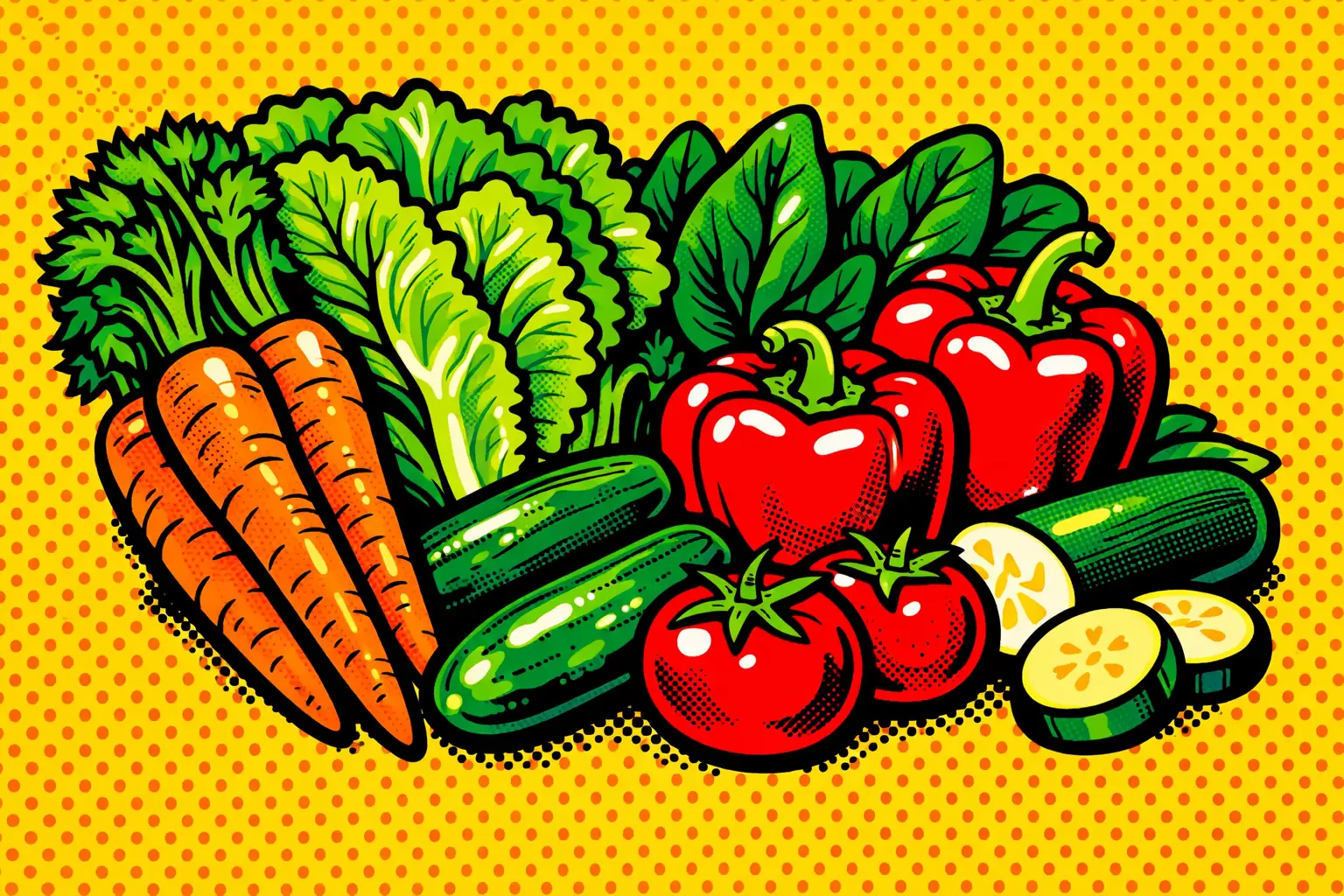
Plenty of veggies are low FODMAP (in reasonable portions). These should be the foundation of your diet. Load up on these bloat-safe veggies:
Keep the High FODMAP Foods to Avoid field guide open while you shop so none of these safe veggies share a pan with a hidden trigger.
Fill your plate with these veggies and you'll get fiber and nutrients minus the bloat. Stir-fry them, toss them in salads, roast them - you won't run out of options.
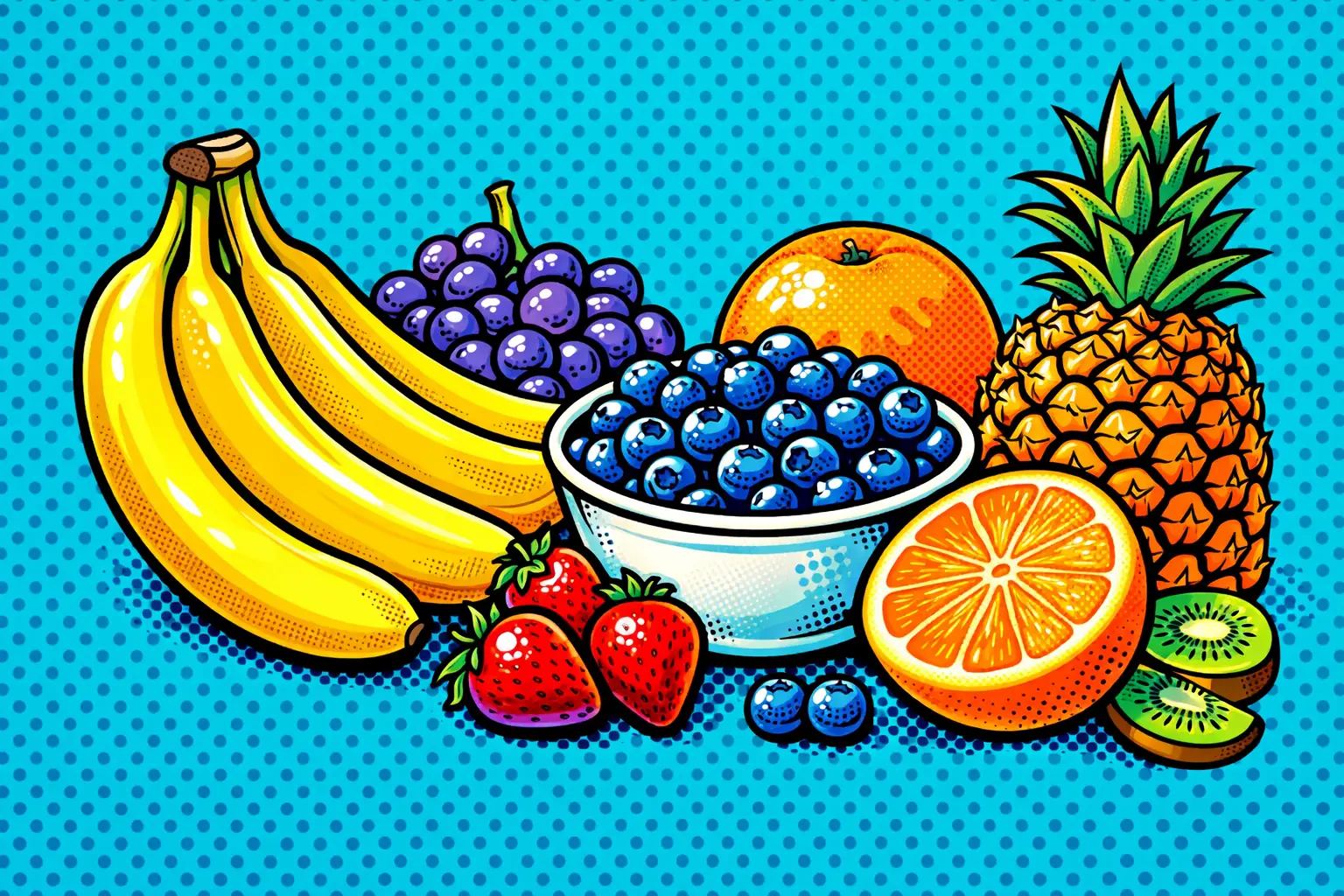
Many fruits are high in FODMAPs, but these are low-FODMAP fruits you can enjoy (in moderation) without bloating:
Limit fruit to ~2 servings per day, spaced out (to avoid stacking). Don't eat multiple servings at once. Frozen or canned fruits are fine if they have no added high-FODMAP ingredients (like HFCS). And avoid juices from high-FODMAP fruits (e.g. apple or pear juice).
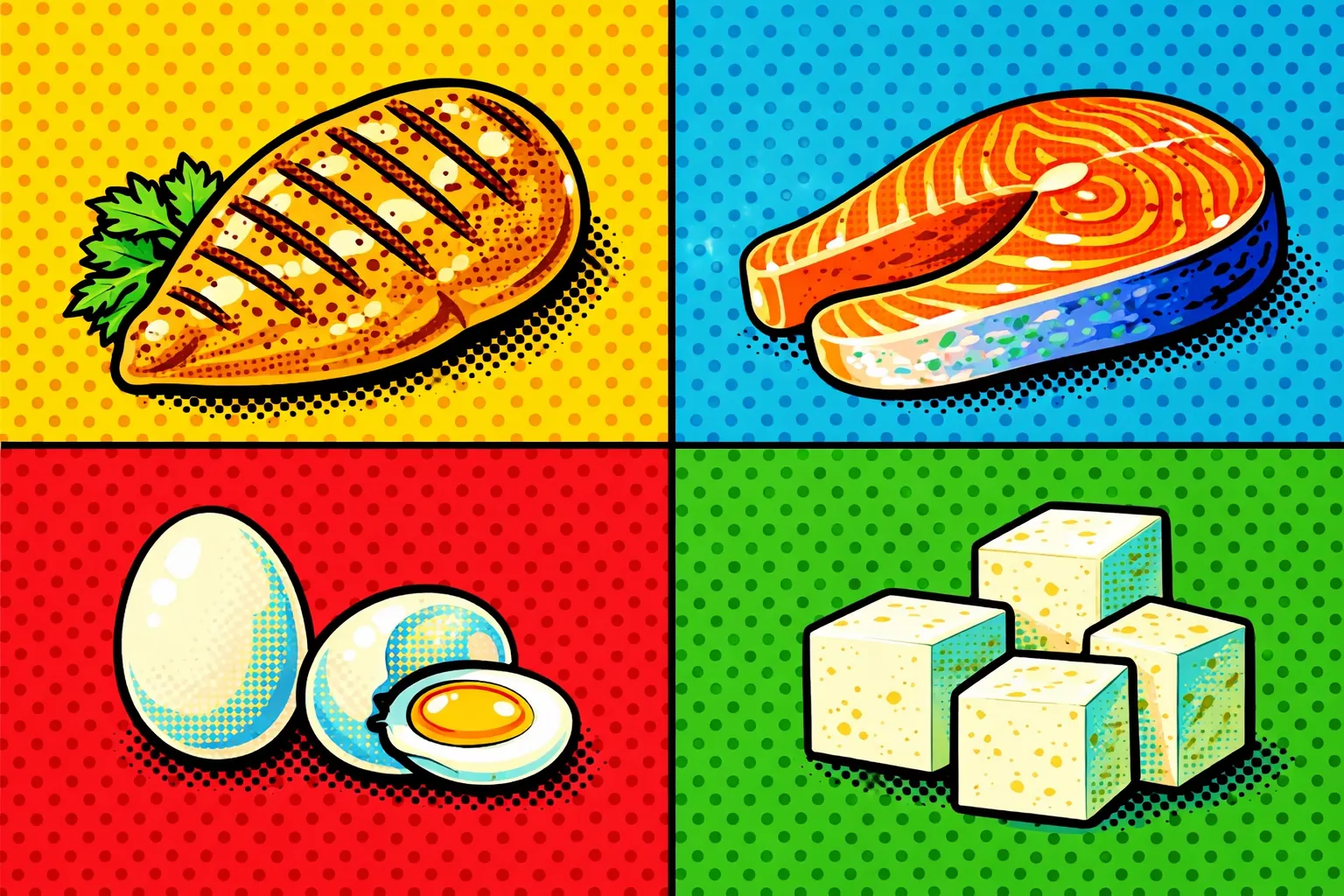
Protein is easy: meat, poultry, fish, and eggs contain zero FODMAPs. (FODMAPs are carbs; unprocessed proteins have none.) Just watch out for sauces or breading with garlic, onion, or wheat. Your safe protein options:
If you want the vegetarian-only version of this protein section, including tofu, tempeh, soy milk, canned legumes, and powder label traps, use the low-FODMAP vegetarian protein guide.
Plain meat, fish, and eggs won't make you bloat. Season them with herbs and garlic-infused oil (see below) to keep flavor high without actual garlic or onion.
(P.S. If protein meals still feel heavy, read Digestive Enzymes for Bloating. Not a FODMAP fix, but those enzymes can help you break down dense meals.)
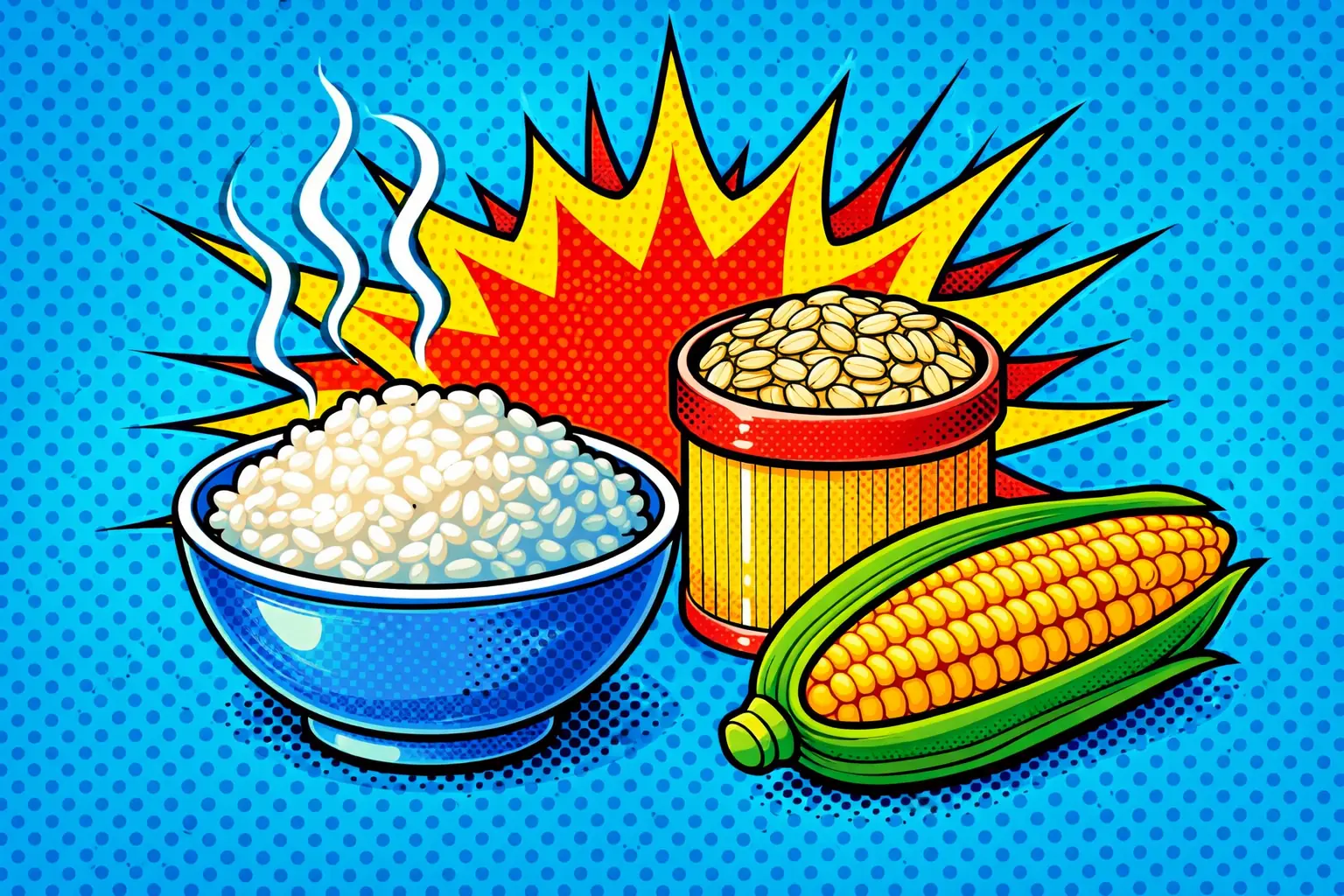
Carbs are fine – just choose low-FODMAP grains instead of wheat, barley, or rye:
If you need more variety than this short list, here are practical low FODMAP snack ideas you can pack or buy.
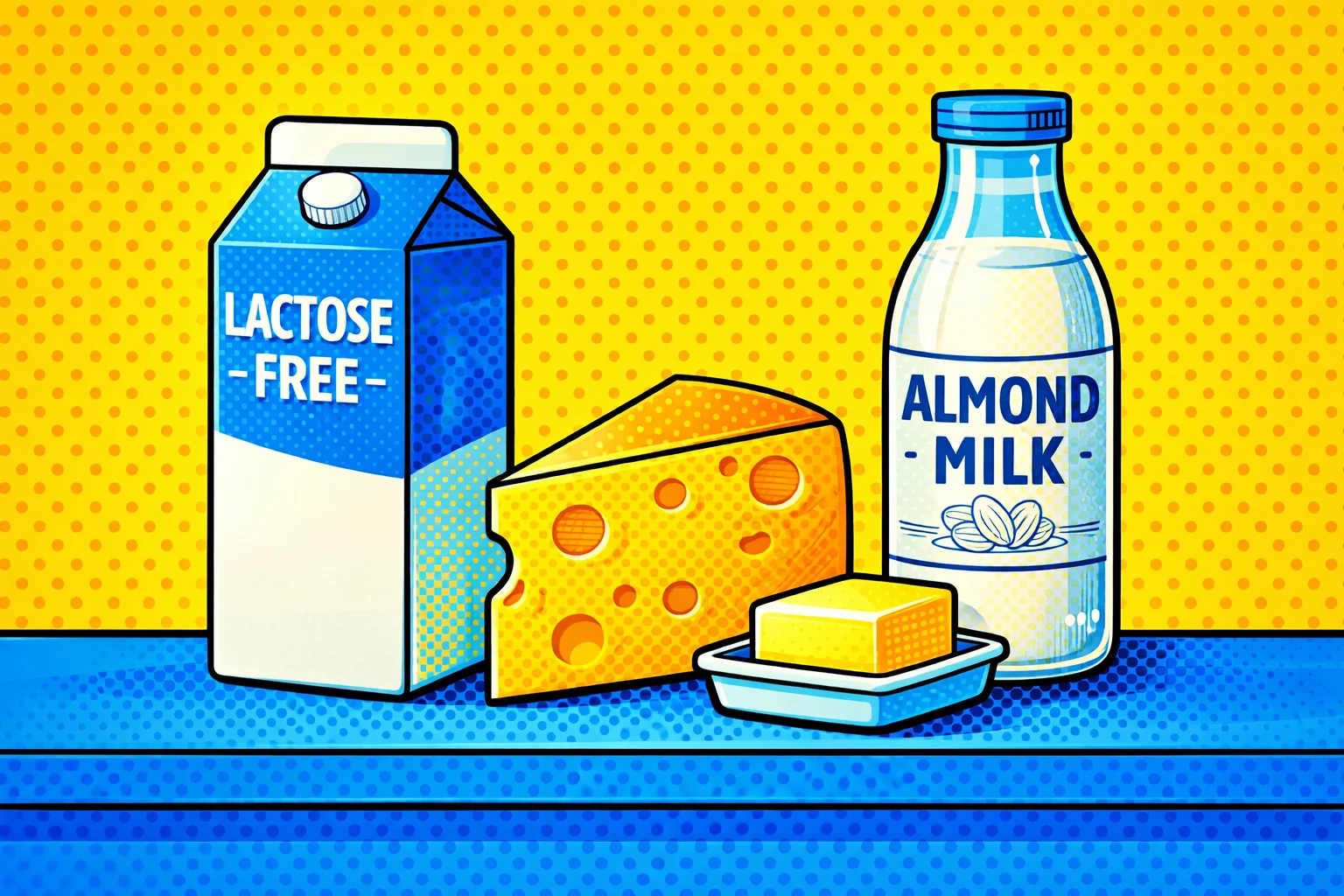
You don't have to ditch dairy completely – just lactose:
Nuts and seeds are nutritious and mostly low FODMAP, but stick to modest portions (a small handful or ~2 tablespoons):
All pure oils are FODMAP-free (they're fats, no carbs). Cook with olive, canola, sunflower, etc. freely.
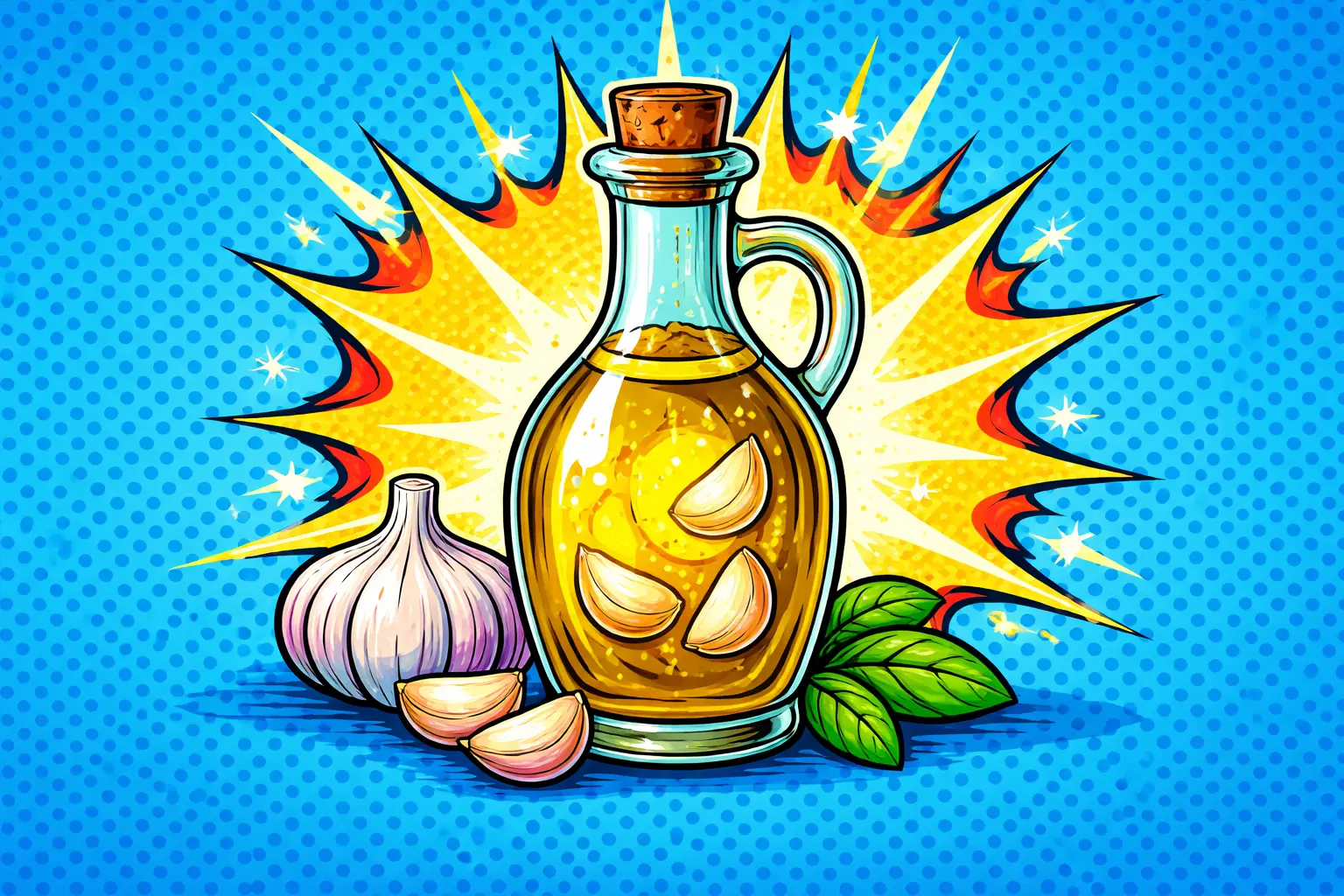
A secret hack: garlic-infused oil 28. This gives you garlic (or onion) flavor without FODMAPs. The science: fructans are hydrophilic (water-loving) and lipophobic (oil-insoluble) – so the flavor compounds migrate into oil while FODMAPs stay trapped in the garlic 29. Sauté garlic in olive oil, discard the garlic – the oil keeps the flavor with almost no FODMAP content. (Note: this only works in oil, not water-based dishes like soups.) You can buy garlic-infused oil or make it yourself (store in fridge). Butter and ghee are also safe (pure fat), and so is coconut oil.
[!TIP] Download: No-Bloat Meal Builder & Garlic Oil Hack Get the visual guide to building balanced meals plus the step-by-step garlic oil recipe.
Mix and match these low-FODMAP foods to create calmer meals you actually like. For example, grill some chicken or fish, add a side of rice or quinoa, and pile on roasted veggies. Or start your day with oatmeal, lactose-free milk, blueberries, and chia seeds. The goal is not a guarantee that every meal will be symptom-free; it is a lower-noise starting point you can personalize by portion, tolerance, and protocol stage.
This page can help you choose lower-FODMAP foods for a short elimination-phase reset, build meals with less fermentable-carbohydrate load, and notice when portion size or stacking may be the real problem.
It cannot diagnose IBS, rule out celiac disease, explain weight loss, bleeding, vomiting, fever, anemia, severe pain, or a major bowel-pattern change, or tell you which foods belong in your long-term diet. It also should not be used to stay in strict elimination longer than needed. Reintroduction and personalization are where the diet becomes useful rather than simply smaller.
If a food is listed here, read that as "usually lower FODMAP at the right serving," not "unlimited" or "safe for every person." Portions, ripeness, processing, meal combinations, stress, constipation, and your current symptom baseline can all change the result.
This list is a practical starting point, not a permanent food rulebook. Keep it in your kitchen, measure portions honestly, and use it to lower meal noise while you work toward reintroduction. When something feels off, widen the lens before cutting more foods, especially if symptoms are severe, persistent, or do not match a simple food-trigger pattern.
Xam Riche is a gut health solopreneur and founder of YourFitNature, dedicated to helping people navigate digestive wellness through evidence-based information and personal experience. After years of struggling with IBS and bloating, Xam discovered the transformative power of the low FODMAP diet and now shares practical, science-backed guidance to help others find relief. While not a medical professional, Xam combines extensive research with lived experience to create accessible, empowering resources for the gut health community. Learn more about our mission
As an affiliate, we may earn from qualifying purchases.