 By • Published on December 3, 2025 • 20 min read • 4,849 views
This article is for informational and educational purposes only and does not constitute medical advice. Always consult with a qualified healthcare professional before using stress, gut-brain, supplement, or therapy information to make diagnosis or treatment decisions.
Even with a perfect Low FODMAP diet, stress can be the hidden trigger for persistent bloating. This guide explores the Gut-Brain Axis—the powerful connection between your mind and digestion—explaining how anxiety alters gut motility and sensitivity. Discover 6 evidence-based strategies, from hypnotherapy to vagus nerve stimulation, to break the stress-bloat cycle and achieve lasting relief where diet alone falls short.
This page answers a narrower question than a general bloating guide: what if stress is making bloating worse even when food is not the whole explanation?
The short answer is that stress can change gut movement, pain sensitivity, diaphragm-abdominal coordination, and the way normal digestive signals are felt. That is why a meal that seemed "safe" yesterday can feel much louder on a high-stress day today.
This guide is for readers whose symptoms clearly get louder with anxiety, pressure, poor sleep, or stressful routines. If your main problem is still sorting food triggers, start with how to reduce bloating. If the bigger question is whether the diet itself is failing, use Low FODMAP not working?. If meal combinations look more suspicious than stress, compare this pattern with FODMAP stacking.
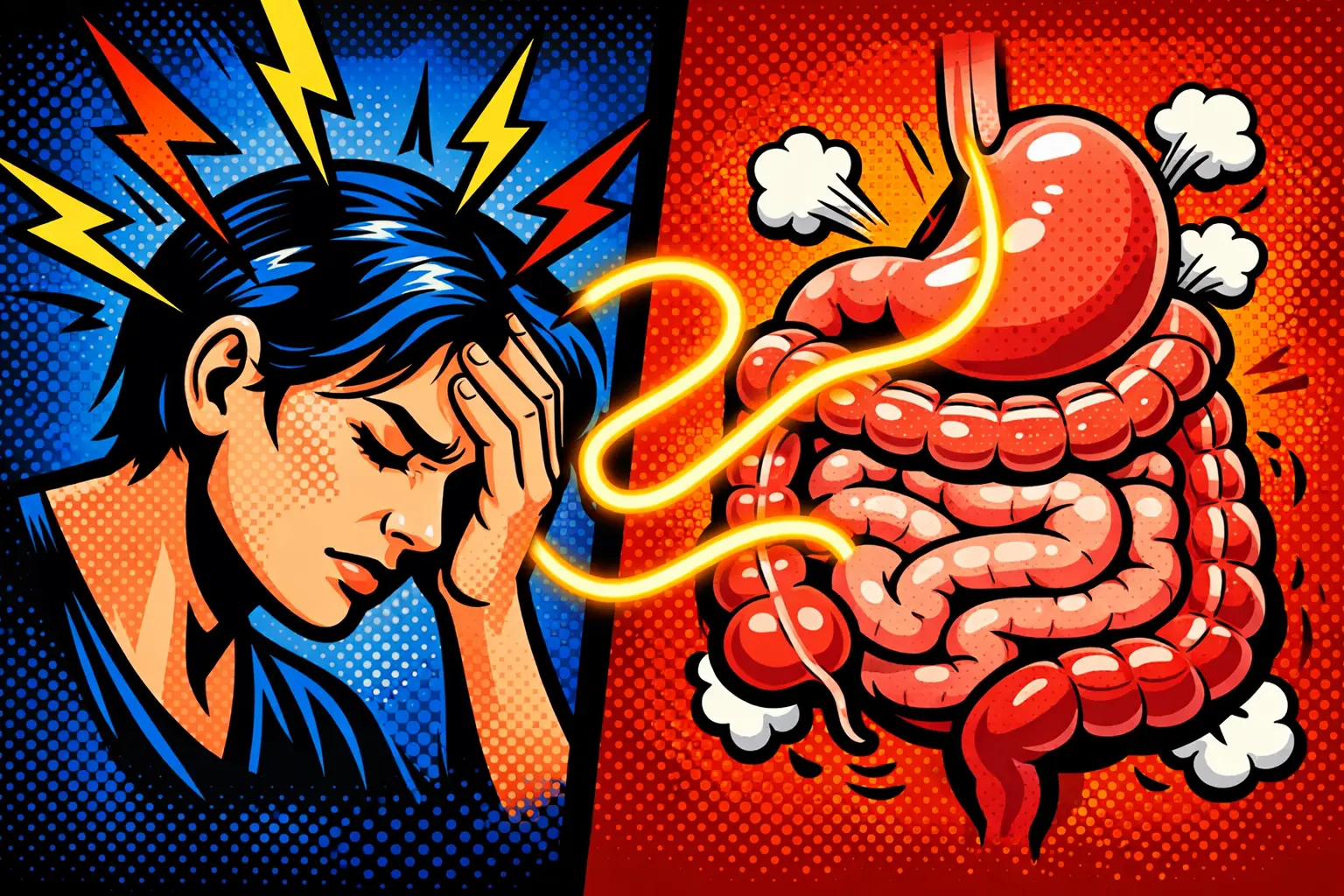
You’ve been a low FODMAP superstar. Every high-FODMAP trigger food? Gone. Every meal? Measured and safe.
Then a stressful day hits – a nightmare deadline, a tense email from your boss, terrible traffic on the way home. By evening, your belly balloons out even though you ate the same “safe” foods as yesterday.
Sound familiar? What happened?
You didn’t cheat on your diet. You didn’t accidentally eat garlic or onion. You did everything “right.”
Yet your body acted as if you downed a milkshake and a pizza. 😣
If meal combinations might also be part of the picture, compare this pattern with our guide to stacking vs stress triggers.
This is when many IBS sufferers throw up their hands. They think:
But here’s the truth: You can’t out-diet your stress. Stress is the missing piece.
Welcome to the gut-brain connection – the two-way highway between your brain and your digestive system. It’s the reason stress, anxiety, and even emotions can trigger IBS symptoms just as much as a big bowl of ice cream or garlic bread 1. Understanding this gut-brain axis turns IBS from a frustrating mystery into a problem you can actually solve.
(If you haven’t identified your food triggers yet, that’s still important – but it’s only half of the equation. The other half is stress, which we tackle below.)
Your brain and your gut are in constant contact. Think of them as text messaging buddies. They communicate through three main channels:
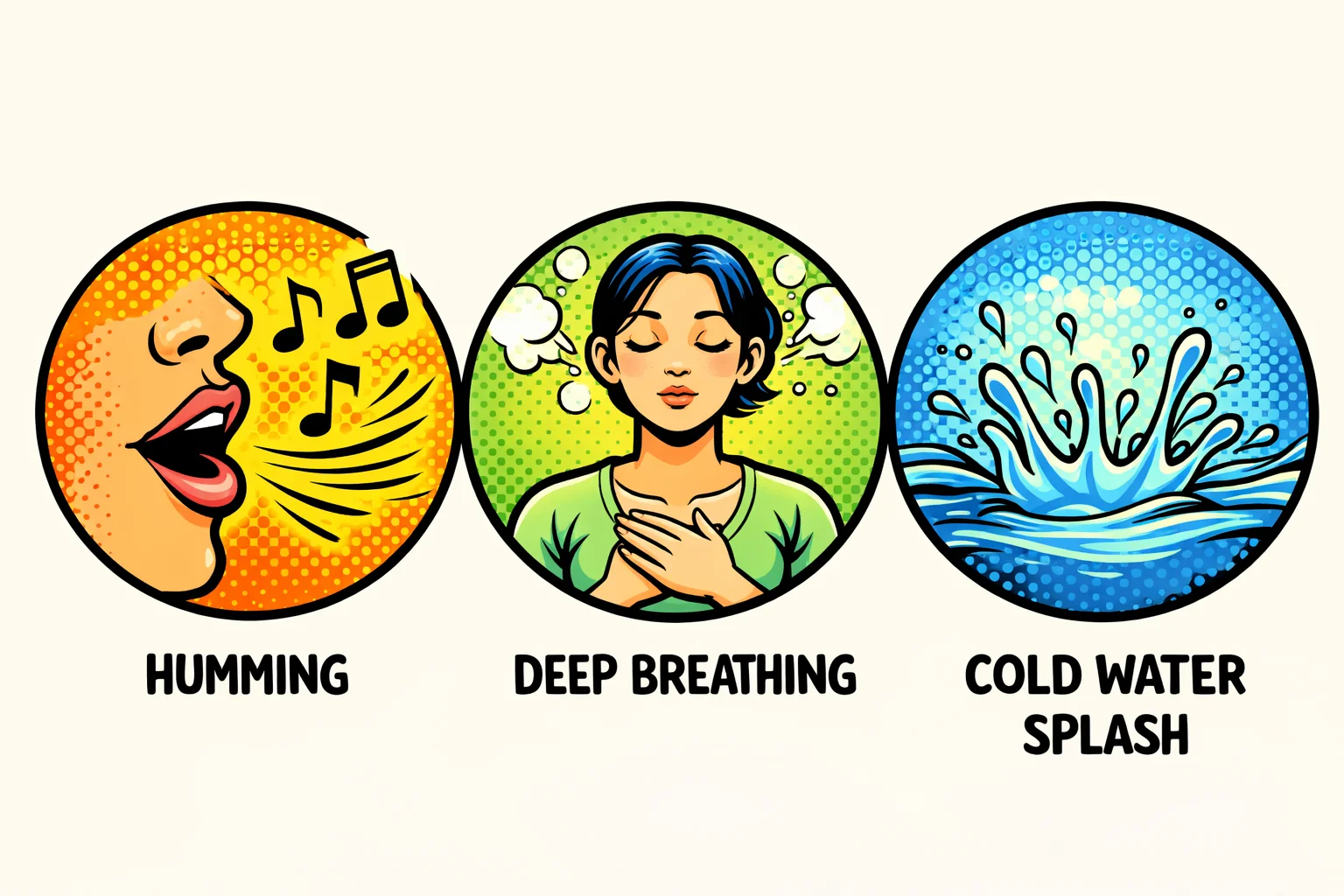
The gut-brain axis is a two-way street. Your brain affects your gut (stress → bloating), and your gut affects your brain (gut issues → anxiety). In other words, your IBS symptoms aren’t “just in your head” – but they’re not just about food either. They’re a mix of biology (what you eat, your gut bacteria), psychology (stress, emotions), and even social factors (like work pressure or relationships). That’s why a perfect diet alone isn’t always enough.
If you want the mechanism-only shelf for how gut microbes influence that conversation through neural, immune, serotonin, and metabolite lanes, use microbiota-gut-brain axis explained.
If you also keep wondering why stress can change hunger, fullness, or cravings at the same time, use our broader bridge on gut-brain signaling and appetite.
If you want the deeper clinical-science version of that idea, read what brain imaging reveals about IBS pain. If the main issue is persistent or stress-sensitive pain, continue to stress, sex, and chronic visceral pain.
If you want the broader gut-organ version of the same systems thinking, including how gut signaling may connect with cardiovascular health, read our explainer on the gut-heart axis.
When you feel stressed or anxious, your body flips on its “fight-or-flight” mode. It’s like an alarm system that changes many bodily functions – including digestion. Here are 5 ways stress wreaks havoc on your gut (no high-FODMAP foods needed!):
Bonus - The "Stress Belly" Reflex (Abdomino-Phrenic Dyssynergia): Ever notice your abdomen sticking out more when you're anxious? That's not just in your head - stress can actually trigger a reflex that pushes your belly outward. Here's what happens: instead of relaxing up, your diaphragm (the breathing muscle under your ribs) contracts downward and your abdominal wall muscles relax, causing your belly to bulge 7. This can make you look visibly bloated even without extra gas or food volume. Doctors call this mouthful of a term abdomino-phrenic dyssynergia - basically a "stress belly" mechanism. The good news: with training (like breathing exercises we'll discuss), you can often correct this reflex.

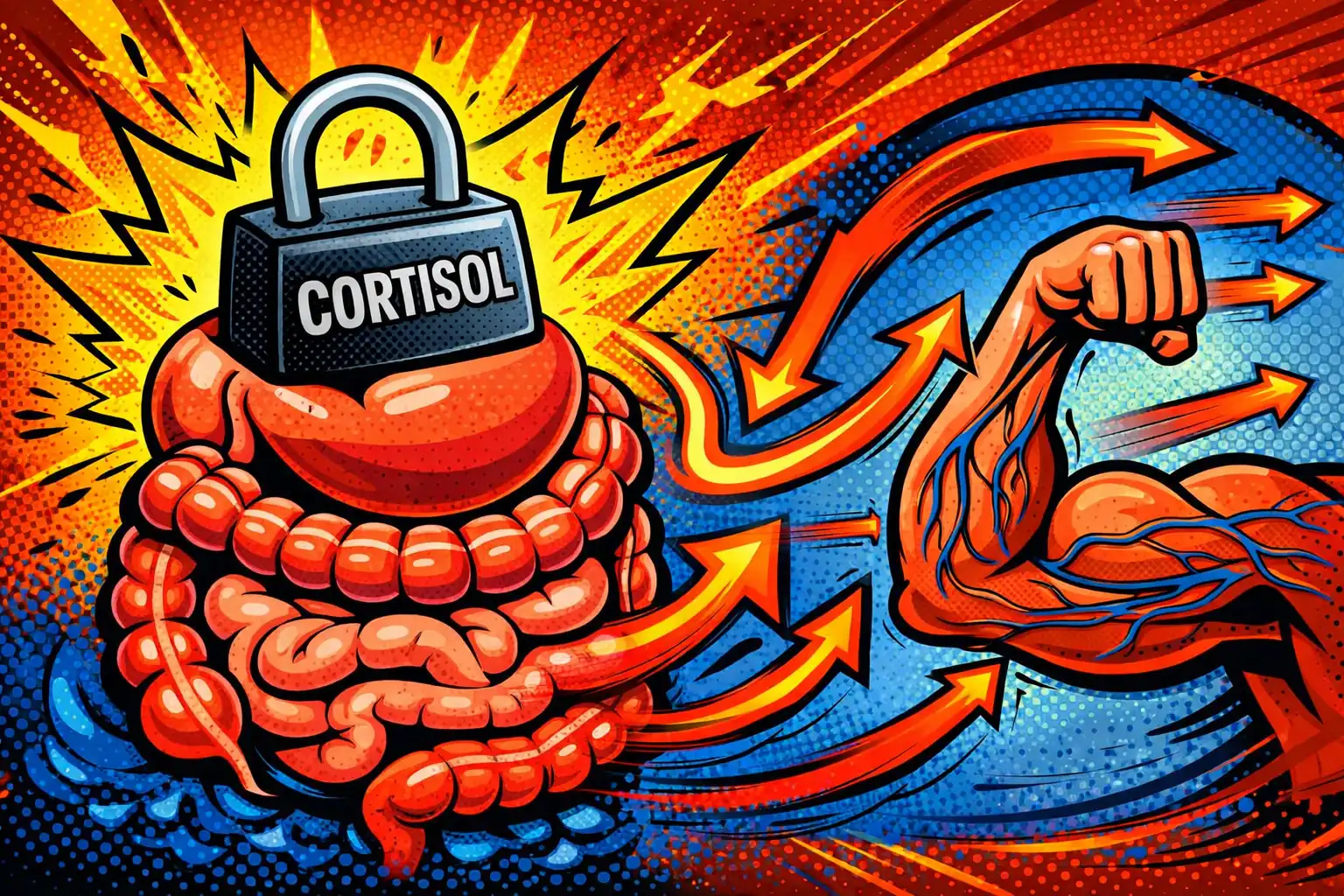
These stress effects set the stage for bloating, even if your diet is spotless. It’s not magic or mystery – it’s biology. And it’s really frustrating, we know!
Bloating isn’t just caused by stress – it creates stress, too. This can turn into a vicious cycle:
Soon, you’re stressed about being bloated, and bloated because you’re stressed. Brutal.
It also takes a mental toll: You might become hyper-vigilant, constantly checking in on your stomach’s status. You might start catastrophizing (thinking “This bloating will ruin my entire day/life”). You might avoid social events or travel for fear of triggering symptoms. You might even start seeing food as the enemy, fearing every meal. This anxiety and fear around your gut can be as debilitating as the physical bloating itself.
If your confusion starts with fruit, yogurt, salads, or other meals that look "healthy" on paper, use this guide to why healthy foods still bloat you to sort the food-side patterns that can combine with stress.
Important: This does not mean IBS is “all in your head.” Your pain and bloating are very real. It does mean that stress and anxiety about your symptoms can amplify them. Your head and gut are in a conversation, and stress is like shouting that makes everything louder.
If the gut-brain pattern feels more upper-abdominal than bowel-centered, use our guide to functional dyspepsia to sort when the IBS lens may be incomplete.
The good news? You can break this cycle. You can calm your gut-brain axis and regain control. The key is to address both sides: what’s going on in your gut and what’s going on in your mind/body in response to stress 8. In practice, this means complementing your diet fixes (like low FODMAP or other trigger management) with stress-management and mind-body strategies.
Here are 7 evidence-backed strategies to ease stress-induced bloating and heal your gut-brain connection:
This isn't stage hypnosis or hocus-pocus; it's a clinically proven therapy for IBS. In fact, multiple studies show it's as effective as the FODMAP diet for reducing IBS symptoms 9. During gut-focused hypnotherapy, a trained therapist (or an app like Nerva) guides you into a relaxed state and uses suggestions/visualizations to calm your digestive system. It can reduce those oversensitive gut nerves, normalize gut motility (movement), and lower gut inflammation. Clinical evidence: About 75% of IBS patients improve significantly with this therapy 10, and the relief can last long after the sessions end. (If therapy is out of reach, app-based programs are a great alternative to get started.) If you want the full evidence-first breakdown, see gut-directed hypnotherapy for IBS.
Ever notice your stomach feels worse when you’re breathing fast or shallow? Deep diaphragmatic breathing is the antidote. It stimulates your vagus nerve to switch your body into “rest-and-digest” mode, calming your gut on the spot 11. Here’s a simple exercise:
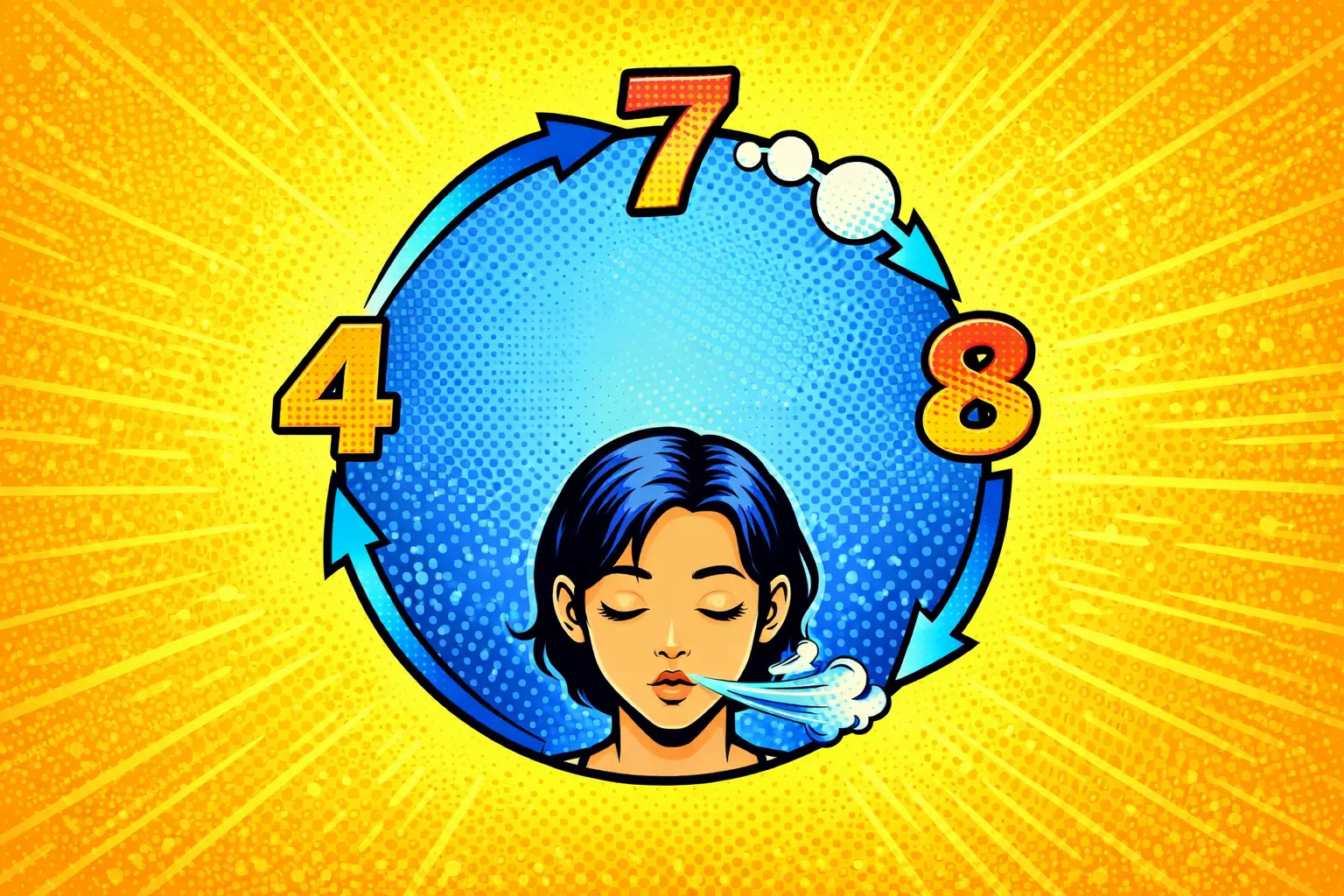
This kind of breathing retrains your diaphragm and abdominal muscles to work together properly (countering that "stress belly" reflex). It also lowers cortisol (that stress hormone) and tells your digestion to relax. Try it now and feel your heart rate drop - that's your gut-brain axis shifting into calm gear. Bonus: Techniques like the "Physiological Sigh" (two quick inhales and a long exhale) or even humming/singing can similarly stimulate the vagus nerve and ease tension.
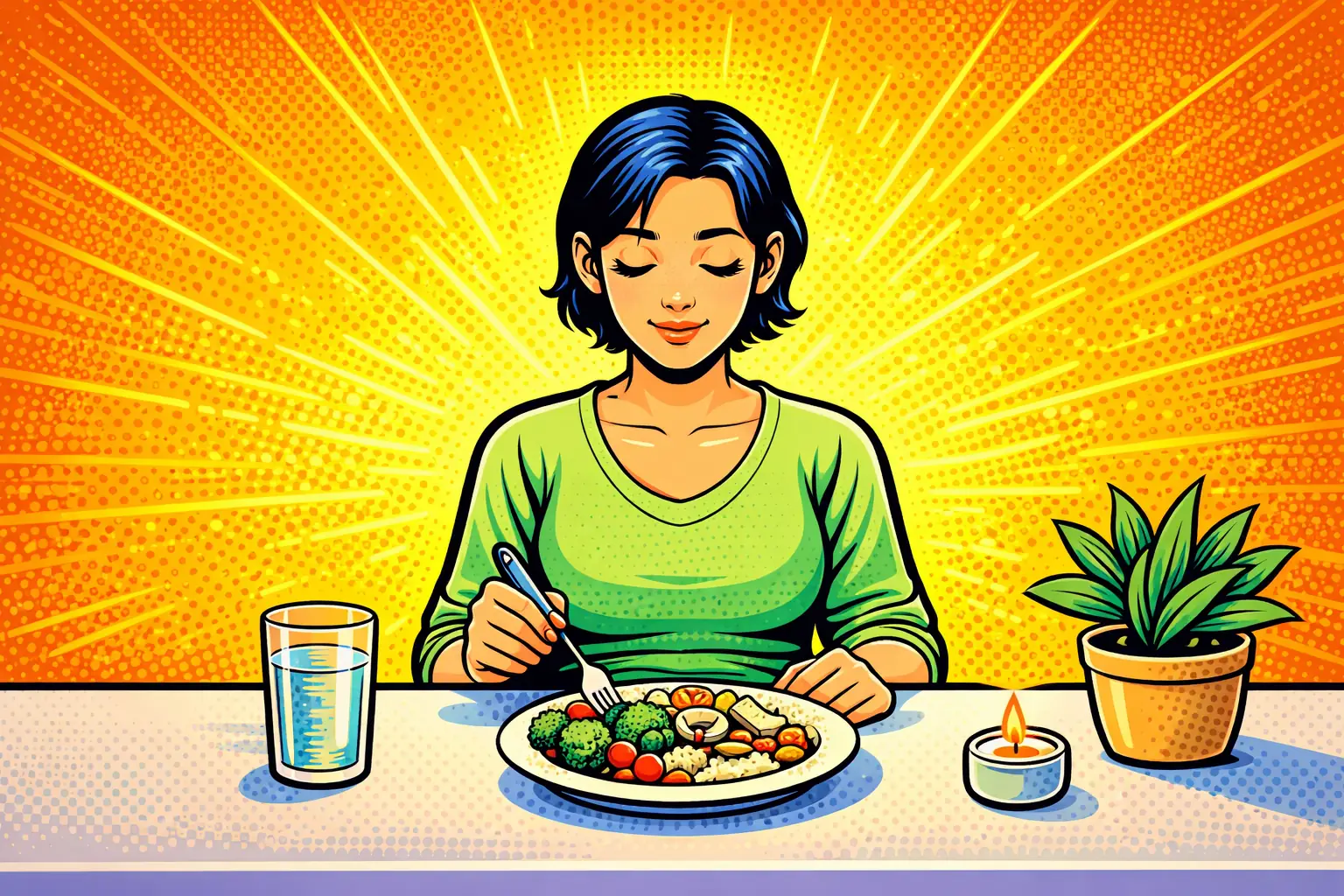
Eating on the go, while stressed, or while doom-scrolling your phone is a recipe for digestive trouble. When you eat mindfully, you engage your body’s relaxation response, which improves digestion. Slow, focused eating means more saliva and digestive enzymes, less air gulped, and better awareness of when you’re full. Tips for mindful eating:
By eating calmly and slowly, you help your gut stay in “digest mode” instead of “stress mode.” This can mean less gas, better nutrient absorption, and fewer IBS flares.
Exercise is a natural digestion booster and stress-reliever. You don’t need intense workouts; gentle, regular movement works best for IBS. A daily walk, yoga, or swimming can improve gut motility (helping food move along), reduce constipation, lower stress hormones, and even increase the growth of good gut bacteria. Research shows even a 20-minute walk after meals can significantly reduce bloating and gas 12. Important: If you do vigorous exercise, try not to do it immediately after eating – intense workouts right after meals can actually aggravate GI symptoms. Stick to light activity post-meal, and save the heavy workouts for later.
This is a type of therapy that helps you retrain your thought patterns. For IBS, CBT can break the anxiety-symptom cycle by teaching you how to respond to gut sensations differently. Think of it as mental training to “turn down the volume” on pain and panic. Studies show CBT for IBS can cut symptom severity roughly in half for many patients 13. For example, instead of spiraling into “This bloating will ruin everything!”, CBT teaches you to think “This is uncomfortable but it will pass. I can handle it.” Over time, this reduces the anxiety that fuels symptoms. CBT often also includes relaxation techniques and problem-solving for dealing with IBS in daily life. You can find therapists who specialize in IBS, or even online CBT programs and workbooks. It’s not an overnight fix, but it builds resilience – you feel more in control and less fearful of your gut.
Poor sleep is a major stressor on the body and can throw the gut-brain axis into chaos. Ever notice your IBS is worse after a bad night’s sleep? When you don’t get enough quality rest, cortisol rises and your gut gets more inflamed and sensitive 14. Make sleep a priority as part of your IBS plan. Tips for good sleep hygiene:
Quality sleep gives your gut time to repair and helps reset your stress hormones. In fact, during deep sleep your gut lining can strengthen and your vagus nerve activity increases, promoting digestion. Aim for 7–9 hours of restful sleep. Your gut will thank you in the morning.
Not all probiotics are equal. Simply chugging kombucha or generic probiotics might not help your bloating – but certain specific strains can make a real difference 15. Research has found that a few probiotic strains have proven benefits for IBS and bloating. For example, Lactobacillus plantarum 299v has shown significantly reduced bloating and pain in IBS sufferers (one study showed 95% of patients improved with this strain vs. 15% with placebo!) 16. Another strain, Bifidobacterium infantis 35624, helped improve overall IBS symptoms in trials 17. The key is strain-specific – meaning you need the right type of bacteria, in the right amounts. If you want to try probiotics, look for products that contain specific strains backed by IBS research (like the ones above). They can help restore balance in your gut garden, reduce gas production, and strengthen your gut barrier. (Tip: Always give a new probiotic a few weeks to see effect, and consult your doctor, especially if you have SIBO or other conditions.)
🎁 Free Resource: Gut-Brain Axis Stress Management Toolkit Ready to break the stress-bloat cycle for good? Grab our FREE Gut-Brain Axis Stress Toolkit, packed with quick breathing exercises, CBT techniques, and sleep tips specifically for IBS relief. It’s a practical handbook to help you put these strategies into action.
You can't out-diet your stress, and you can't out-relax a bad diet. To tame IBS, you need to address both what's on your plate and what's on your mind. If you eat perfectly but live in constant worry, your gut will still act up 18. And if you chill out but keep eating loads of trigger foods, you'll still get symptoms. The magic happens when you tackle both sides of the equation.
Every thought, emotion, and stress response is whispering to your gut. And every rumble, cramp, or bloating signal from your gut is whispering to your brain. By caring for both your gut (diet, probiotics, etc.) and your brain/nervous system (stress reduction, therapy, etc.), you break out of the vicious loop and set the stage for healing.
Stress-sensitive bloating does not mean the symptoms are imaginary, and it does not mean food can never matter. It means the gut-brain axis can change motility, visceral sensitivity, breathing patterns, sleep, and symptom threshold enough that the same meal feels different on a high-stress day.
Start with the route that best matches the real pattern: broader bloating sorting, clinical gut-brain science, gut-directed hypnotherapy, sleep, same-day flare support, or age-specific bathroom planning.
If stress-sensitive bloating has become a fear-and-avoidance pattern, CBT for IBS anxiety, urgency, and gut-brain skills is the next skills-focused gut-brain route.
If you want the quickest routing version of this page, use the links below based on what feels most true right now.
For a broader look at managing bloating beyond stress, check out our guide on how to reduce bloating.
Ready to take action? Here’s a simple blueprint to get started right now:
Remember: you’re not broken. Your body is not betraying you – it’s responding to signals (some of them unhelpful). Now you have the knowledge and tools to change those signals. Your gut and brain just need some retraining to communicate better. With the right strategies (and a bit of patience), you can calm your “stress belly,” reclaim your comfort, and finally get back to living life on your terms. You’ve got this!
Xam Riche is a gut health solopreneur and founder of YourFitNature, dedicated to helping people navigate digestive wellness through evidence-based information and personal experience. After years of struggling with IBS and bloating, Xam discovered the transformative power of the low FODMAP diet and now shares practical, science-backed guidance to help others find relief. While not a medical professional, Xam combines extensive research with lived experience to create accessible, empowering resources for the gut health community. Learn more about our mission
As an affiliate, we may earn from qualifying purchases.
Choose a focused guide for what you are noticing or deciding next.