 By • Published on May 16, 2026 • 8 min read • 4,838 views
This article is for informational and educational purposes only and does not constitute medical advice. Always consult with a qualified healthcare professional for diagnosis, testing, and treatment decisions.
Symptoms returning after a better stretch can feel like losing all your progress.
You may want to restart strict low FODMAP, cut the last food you ate, add a new supplement, blame stress, buy a test, or assume the old plan failed. That reaction is understandable. It is also how a useful plan turns into more noise.
This IBS relapse plan is a reset map. It helps you sort what kind of return this is: a same-day flare, low-FODMAP Step 3 noise, stress and sleep disruption, a new trigger stack, a testing question, or a treatment conversation. It is not a new diagnosis and it is not permission to keep self-managing symptoms that have changed in a concerning way.
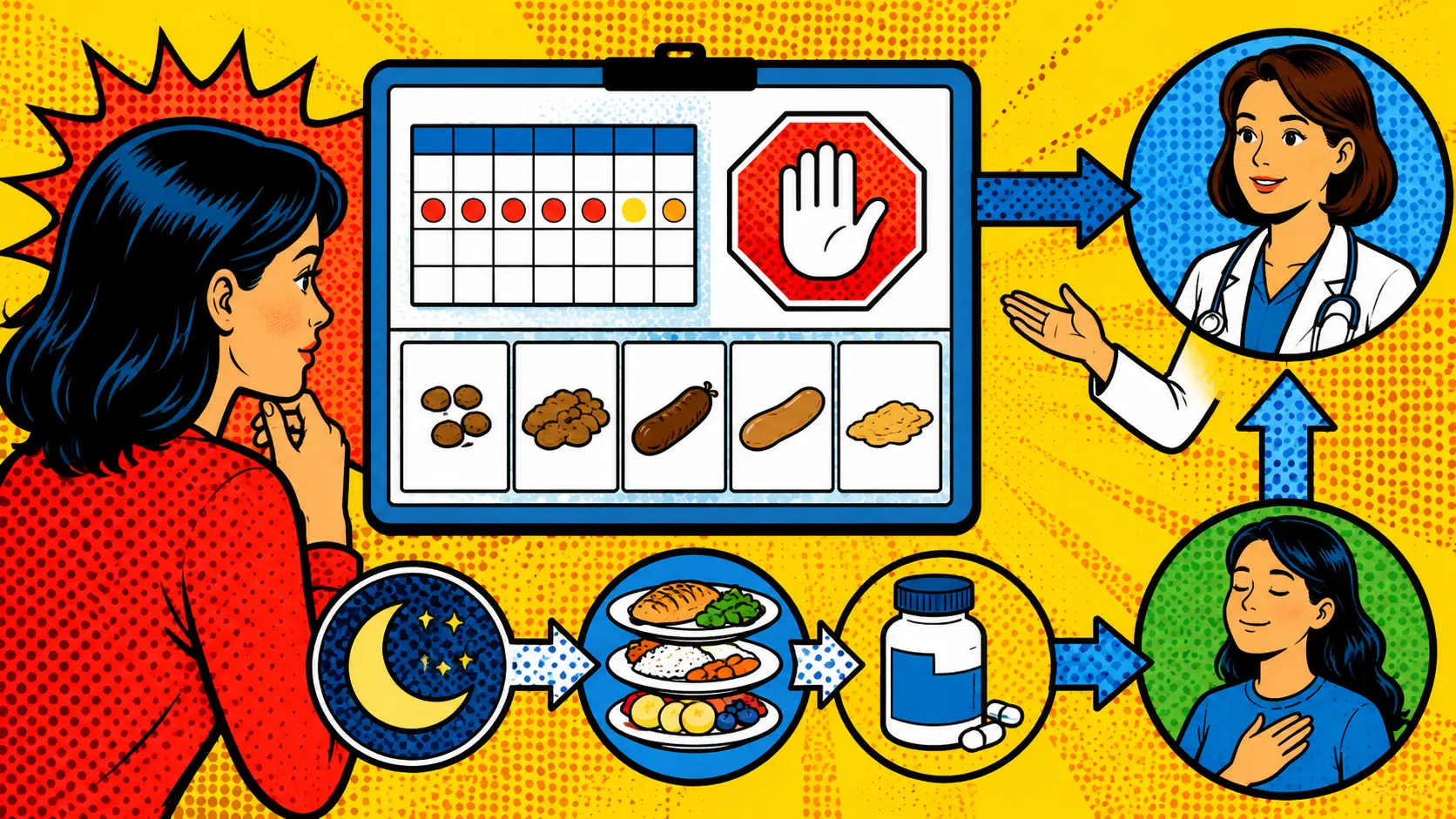
Before you troubleshoot, ask whether this still belongs in the home-sorting lane.
NICE says people with possible IBS symptoms should be assessed for red-flag indicators and referred for further investigation when those indicators are present 1. NIDDK says diarrhea can cause dehydration and should be discussed promptly when it is paired with black or bloody stools, fever, signs of dehydration, or other concerning features 2. NIDDK also flags constipation with rectal bleeding, blood in stool, constant abdominal pain, inability to pass gas, vomiting, fever, lower back pain, or unexplained weight loss as a reason to seek care right away 3.
Stop self-sorting and get medical guidance if the return includes:
If none of those are present, the next job is not to fix everything today. It is to name the lane.
Use three buckets first.
| Pattern | What it usually means | Better next route |
|---|---|---|
| Noisy day | Symptoms are louder today but still familiar. | Use the IBS flare plan. |
| Step 3 noise | You were personalizing food triggers and one challenge or mixed meal made the signal messy. | Use when reintroduction fails or low-FODMAP personalization mistakes. |
| Return after stability | Symptoms are back for several days or weeks, or the old plan no longer explains them. | Use this reset map, then route to testing or treatment if the pattern changed. |
IBS is usually diagnosed from symptoms, medical history, physical exam, and selective testing when needed 4. That means a return of symptoms is not proof that one food, one supplement, or one theory explains everything. It is a prompt to compare the current pattern with the pattern that used to respond.
Do not change five things at once. Review five variables, then choose one next move.
Is the return mainly diarrhea, constipation, mixed stool, urgency, incomplete emptying, or bloating without much stool change? Stool pattern tells you whether the next route is hydration, constipation support, IBS-D treatment, IBS-C treatment, or broader testing.
If watery diarrhea, dehydration risk, or caffeine/alcohol confusion is loud, use hydration, electrolytes, and gut symptoms. If constipation pressure is louder, use constipation and bloating.
Ask what changed in the last week, not only what changed at the last meal.
Was there a larger serving, more "healthy" fiber, several green-light foods together, alcohol, caffeine, sugar alcohols, restaurant food, fermented foods, or a new protein powder? If yes, the problem may be stacking, product labels, or portion load rather than a full relapse.
Use FODMAP stacking, hidden FODMAPs in products, or why healthy foods still cause bloating before restarting a strict elimination phase.
If the same foods now feel louder after poor sleep, travel, night shifts, conflict, deadlines, or meal timing chaos, the return may be a nervous-system and rhythm problem. Use sleep and gut symptoms, meal timing and gut symptoms, or stress and bloating through the gut-brain axis.
This does not mean symptoms are imaginary. It means the gut can become more reactive when the rest of the system is under load.
Review antibiotics, magnesium, iron, NSAIDs, antidepressants, antacids, probiotics, fiber powders, digestive enzymes, menstrual-cycle changes, recent infection, or new prescriptions. NIDDK lists medicines as possible contributors to diarrhea in some cases 5.
If the return started after a new product, pause the urge to add another one. Bring the timing to a clinician or pharmacist when medication questions are involved.
If the pattern is persistent, different, watery, nocturnal, painful in a new way, or no longer responding to the plan that used to work, route out of the food-only lane.
Use IBS tests, celiac, SIBO, calprotectin, and colonoscopy when the next question is what should be checked. Use IBS treatment options when the next question is medication, gut-brain therapy, dietitian support, or a combined plan.
NIDDK describes IBS treatment as potentially including diet changes, medicines, probiotics, and mental health therapies, depending on the person and symptom pattern 6.
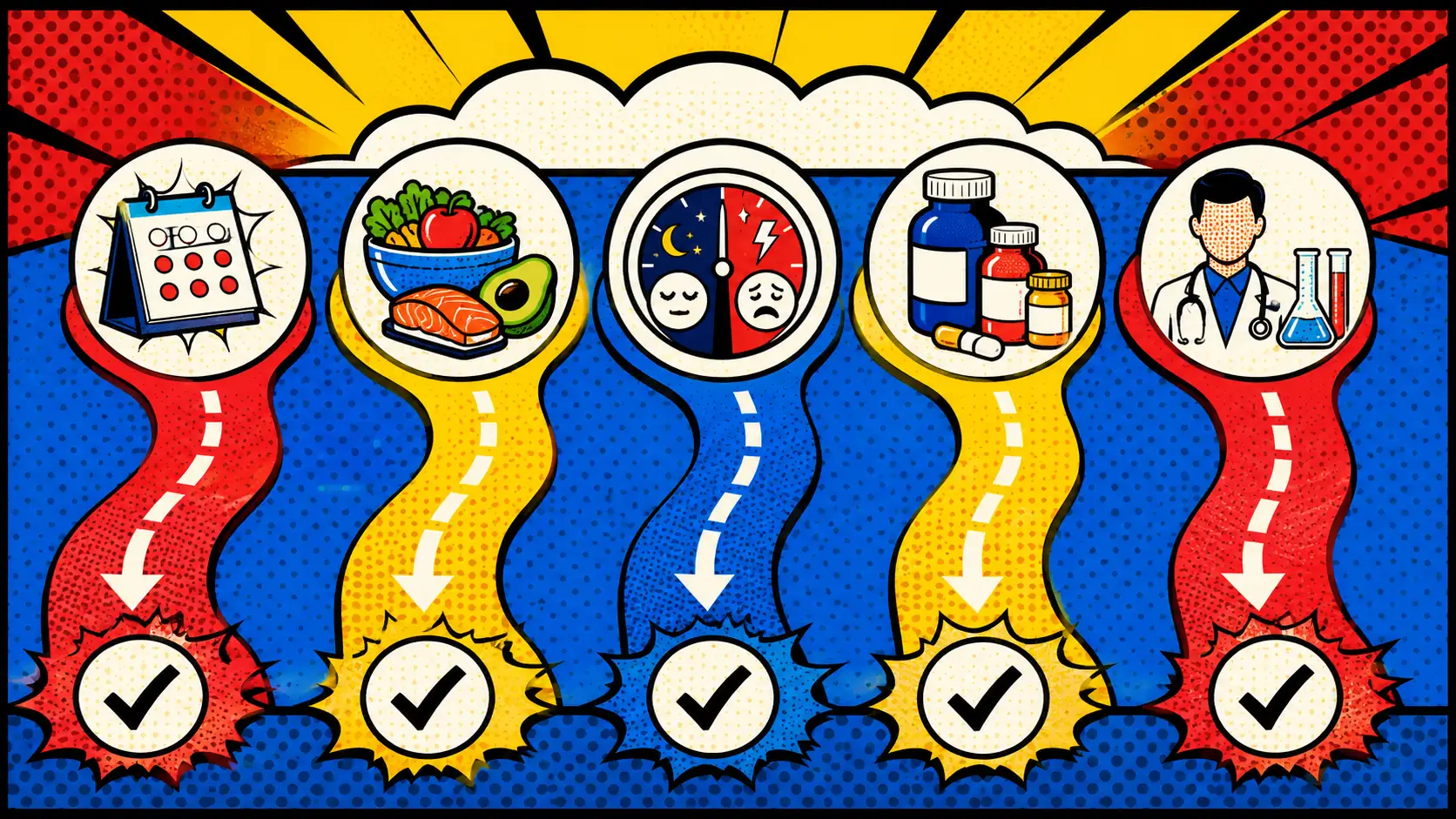
Download: Symptom Return Reset Map
Low FODMAP can be useful when it is structured. It becomes less useful when it turns into a panic button.
If you were in reintroduction or personalization, ask:
If the answer is "I do not know," the next step is usually a cleaner log, a short reset to familiar meals, or the right route page. It is not automatically another long elimination.
| If the main question is... | Use this page |
|---|---|
| "Today is loud and I need the next few hours." | IBS flare plan |
| "Low FODMAP helped, then symptoms returned." | Symptoms return after low FODMAP |
| "I was better for weeks or months, and now the pattern is back." | This page |
| "I added too many products and cannot read the signal." | Supplement stack audit for IBS |
| "This is persistent, different, severe, medication-related, or medically complex." | Doctor visit prep for IBS next steps |
Download: IBS Maintenance Pathway Card for the five-page route chooser across flare, low-FODMAP signal repair, relapse reset, supplement-stack audit, and clinician prep.
| If this is the main pattern | Best next read |
|---|---|
| Today is suddenly noisy | IBS flare plan |
| A FODMAP challenge caused symptoms | When reintroduction fails |
| Personalization feels chaotic | Low-FODMAP personalization mistakes |
| The whole diet plan stopped making sense | When low FODMAP does not work |
| Product stacking made the return hard to interpret | Supplement stack audit for IBS |
| Testing should come before more restriction | IBS testing map |
| The pattern is persistent, different, severe, or medication-related | Doctor visit prep for IBS next steps |
| Medication or gut-brain care may be next | IBS treatment options |
| Diarrhea and hydration risk dominate | Hydration and gut symptoms |
| Constipation pressure dominates | Constipation and bloating |
Symptoms returning does not erase your progress. It means the old signal needs to be rechecked against the current pattern.
Start with stop signs. Then sort the return by stool pattern, food stack, sleep and stress, medication or supplement changes, and testing or treatment boundaries. Change one variable at a time. If the pattern is different, persistent, severe, or paired with warning signs, move toward clinician-guided evaluation instead of another round of self-restriction.
Xam Riche is a gut health solopreneur and founder of YourFitNature, dedicated to helping people navigate digestive wellness through evidence-based information and personal experience. After years of struggling with IBS and bloating, Xam discovered the transformative power of the low FODMAP diet and now shares practical, science-backed guidance to help others find relief. While not a medical professional, Xam combines extensive research with lived experience to create accessible, empowering resources for the gut health community. Learn more about our mission
As an affiliate, we may earn from qualifying purchases.