 By • Published on April 6, 2026 • 14 min read • 4,526 views
This article is for informational and educational purposes only and does not constitute medical advice. Always consult with a registered dietitian, gastroenterologist, or other qualified medical professional before making significant dietary changes.
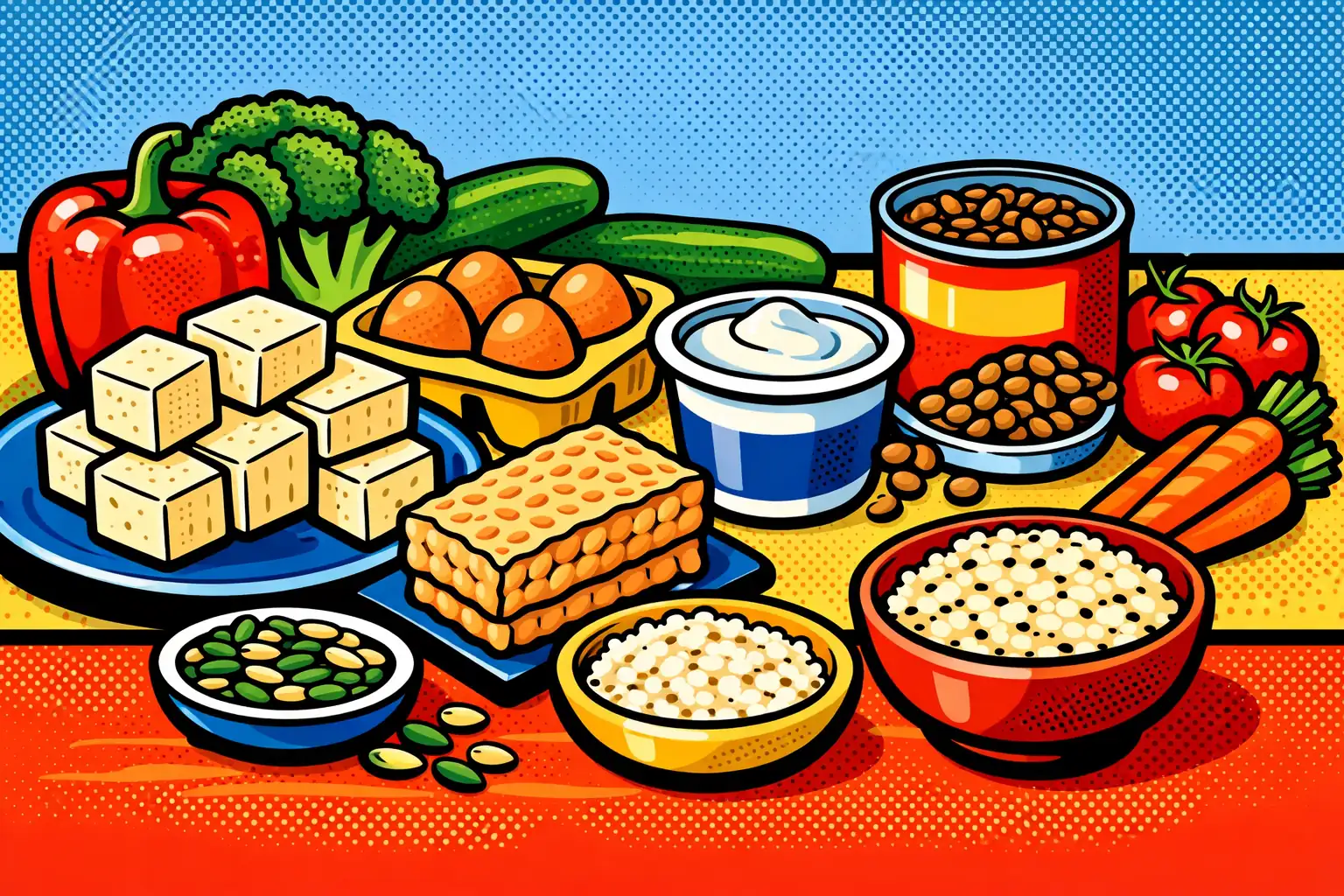
Low-FODMAP eating can already feel restrictive. Add vegetarian goals on top, and protein is often where the whole plan starts to wobble. This guide shows you which foods are easiest to trust, which products need more caution, and how to build calmer meals without turning every grocery trip into a label-reading test.
Short answer: low-FODMAP vegetarian protein works better when you build around a small set of repeatable protein anchors instead of trying to make every plant protein option fit at once.
This page is for you if you need vegetarian low-FODMAP meals that actually hold up without leaving you underfed or bloated.
Use a different page first if you still need a broader safe-food list or a first-week shopping structure. Start with low-fodmap-foods-to-eat-for-bloating-relief or low-fodmap-grocery-list-for-beginners.
If you are trying to figure out low FODMAP vegetarian protein, you are usually not looking for one more giant food list.
You are trying to answer a harder question: what can I actually build meals around without getting hungry, repetitive, or accidentally triggering symptoms?
That is where the confusion starts. Beans can feel risky. Tofu seems simple until you realize silken and firm tofu do not behave the same way. Protein powders look convenient until the ingredients turn into a chemistry exam. Even soy milk stops being a single category once the base changes.
Here is the truth: the problem is usually not that vegetarian low-FODMAP eating is impossible. It is that the plan gets much easier when you stop treating all protein options as equal. The best move is to use a short hierarchy of dependable protein anchors first, then add portion-sensitive foods and packaged products more carefully.
That matters because the low-FODMAP diet is supposed to be a limited trial, not a permanent emergency menu 1 2. So the goal here is not to shrink your food world forever. It is to make this phase more workable and more readable.
If you still need the bigger low-FODMAP foundation, start with how to begin the diet. If you already know the basics and want the vegetarian version of the protein problem solved, start here.
This page explains a protein-selection utility:
This page is not mainly explaining:
Vegetarian protein is rarely one ingredient category.
It usually comes from a mix of legumes, soy foods, dairy, eggs, grains, seeds, powders, bars, and convenience foods. On a regular week, that variety can feel helpful. During a low-FODMAP phase, it also means there are more places for the plan to get noisy.
The most common failure patterns look like this:
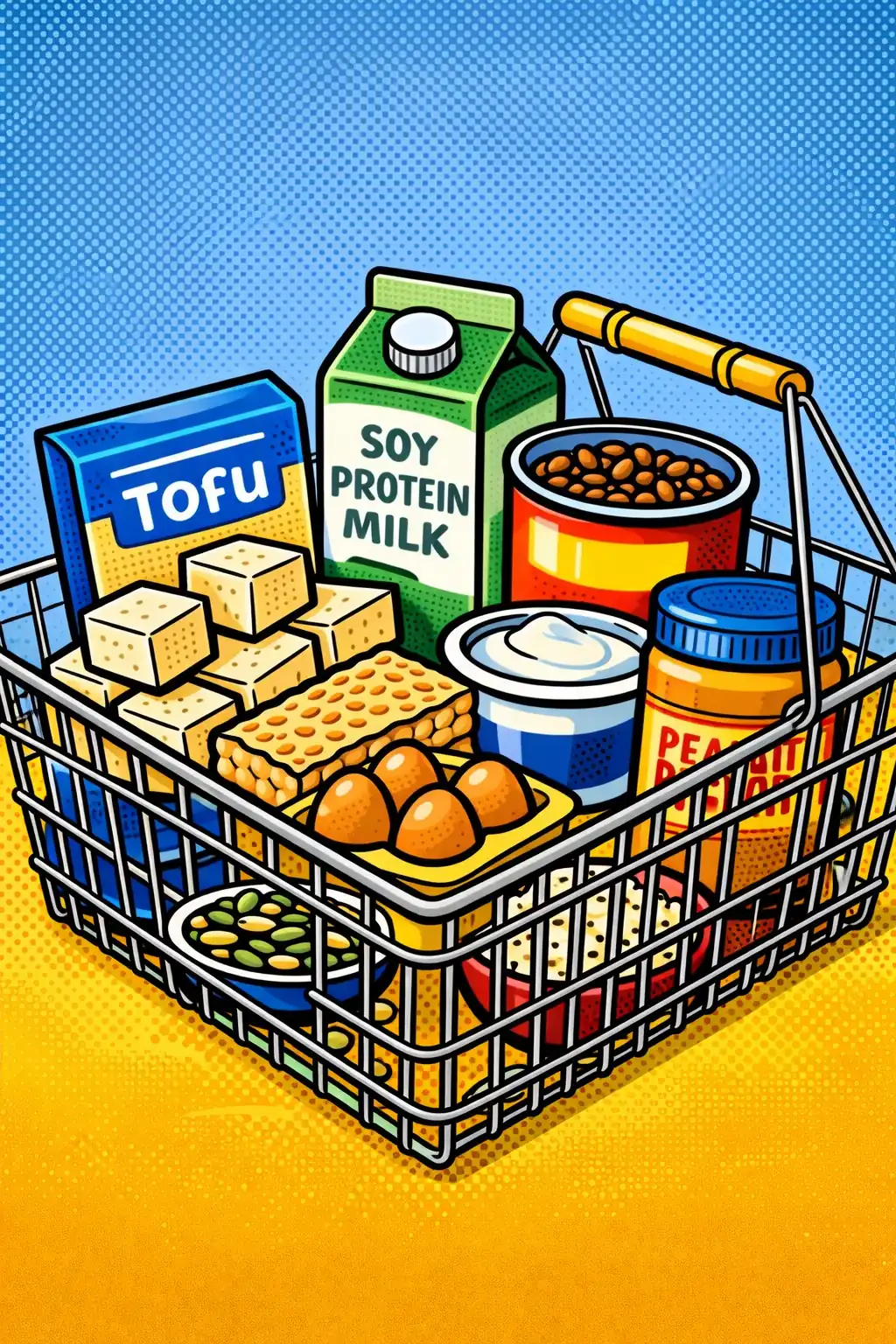
Monash's guidance for vegan low-FODMAP eating is clear that this combination is possible, but more challenging, and often worth doing with dietitian support 3. That does not mean you need professional help to make one better breakfast or lunch choice. It means you should take the planning burden seriously instead of pretending every vegetarian protein shortcut works equally well.
The good news is that you do not need endless variety to make this work. A short list of dependable staples is usually enough. If you want the broader safe-food library behind that shortlist, use the full low-FODMAP foods guide and the beginner grocery list as your support pages.
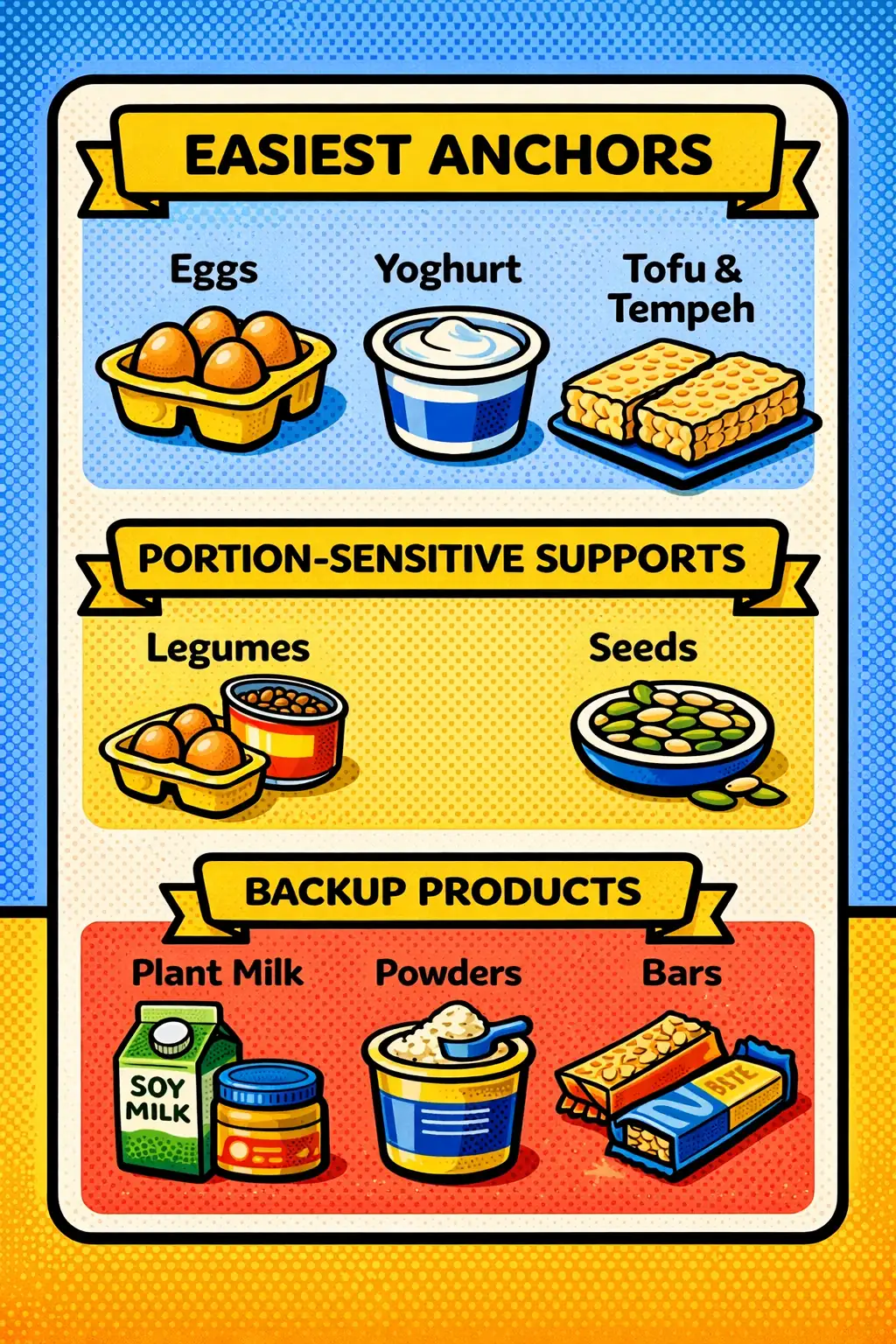
Not every protein deserves the same level of trust during a low-FODMAP phase.
Bottom line: start with the easiest anchors first, then use portion-sensitive supports, then treat specialty products as backups.
| Tier | What belongs here | Why it helps |
|---|---|---|
| Easiest anchors | eggs, lactose-free yogurt, hard cheese, firm tofu, tempeh | simplest, most repeatable meal foundations |
| Portion-sensitive supports | canned lentils, canned chickpeas, nuts, seeds, soy-protein milk, quinoa | useful, but easier to over-stack or misread |
| Backup products | powders, bars, meat alternatives | too much formula variability to trust blindly |
If you are vegetarian but not vegan, eggs and lactose-aware dairy can lower the difficulty of this diet fast. Eggs are low FODMAP because FODMAPs are carbohydrates, not proteins. Monash's 3-step sheet also lists lactose-free milk and several lower-lactose dairy choices as practical low-FODMAP alternatives 4.
That matters because meals get easier when your protein does not always depend on finding the right soy product or the right legume portion.
These are the two vegetarian protein anchors most readers should learn first.
Monash still lists firm tofu and tempeh among low-FODMAP alternatives 5. The practical lesson is not just "soy is okay." It is that processing matters. Firm tofu behaves differently from silken tofu. Tempeh behaves differently from whole soybeans. Once you understand that, the soy confusion drops fast.
Low FODMAP is not the same as never eating legumes again. Monash explains that some canned and rinsed lentils or chickpeas can fit in low-FODMAP serves because fermentable carbohydrates leach into the canning liquid 6.
That makes them useful supports, not always the best main anchor for every meal. Start smaller, keep the rest of the bowl simple, and avoid turning one meal into lentils plus chickpeas plus soy milk plus a bar.
These help, but they usually work best as support players.
Monash's milk-alternatives guidance draws an important line between soy milk made from soy protein and soy milk made from whole soybeans 7. Nuts, seeds, and quinoa can also add staying power, but many readers feel better when those foods support the main protein anchor instead of doing all the work alone.
Use this fast decision flow when you need a starting point:
[!TIP] Download: Vegetarian Protein Anchor Matrix Keep it on your phone so you can choose the easiest anchor before you improvise with products.
The best low-FODMAP vegetarian meals are usually boring in the best possible way.
Not bland. Not joyless. Just clear enough that your gut is not trying to decode five variables at once.
Use this meal formula:
That can look like:
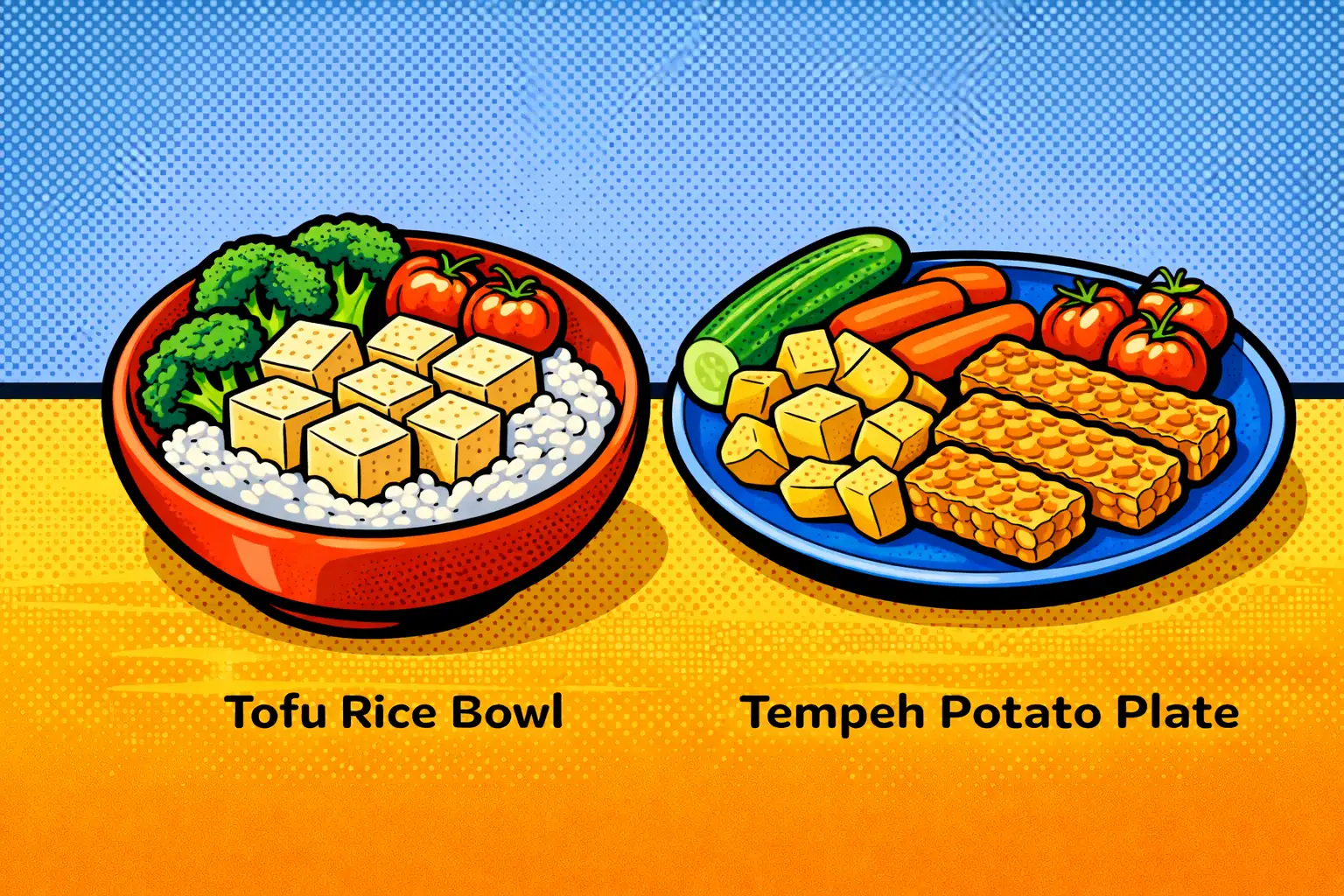
This is also where people accidentally confuse healthy with gentle. If a bowl contains canned legumes, several vegetables, fruit, seeds, and a sweetened dressing, it can still feel rough even if each ingredient looked reasonable on its own. That is why this article pairs well with FODMAP stacking explained and why healthy foods still cause bloating.
If you want these proteins to become more repeatable across the week, use low-FODMAP meal prep for the batch-cooking system and low-FODMAP snacks for the lighter protein backups between meals. If the real problem is shared household dinner, use low-FODMAP family meals without separate cooking to turn one vegetarian protein anchor into a shared base with flexible add-ons. If the question has expanded beyond protein into calcium, iron, zinc, magnesium, and fiber diversity, use nutrient gaps on a restrictive gut diet.
Bottom line: the meal usually gets quieter when you pick one anchor and stop asking every supporting ingredient to do too much.
This is where vegetarian low-FODMAP eating gets more frustrating than it needs to be.
Powders and packaged products promise convenience. The label often hides the tradeoff.
Monash says many protein powders are difficult to judge from the label alone and specifically warns that product formulas vary too much for blanket rules 8. Monash's pea-protein guidance makes the same point even more clearly: there is too much variability to create one generic pea-protein answer 9.
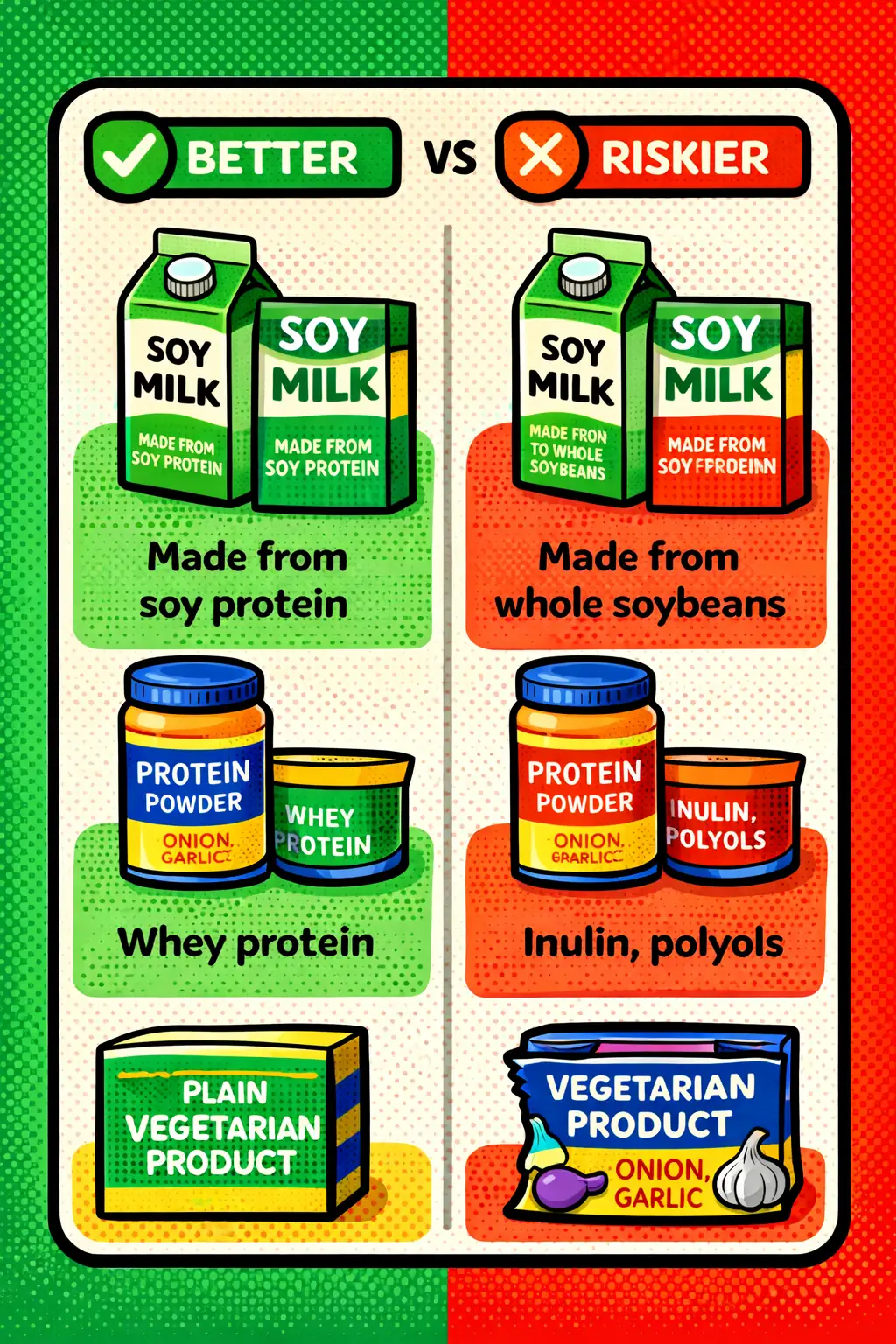
Start with these label checks:
For many readers, the better question is not "Which protein powder is best?" It is "Do I need a powder for this meal, or would tofu, yogurt, eggs, tempeh, or a simpler snack work better today?"
If labels keep tripping you up, use our guide to hidden FODMAPs in products and go back to the grocery list instead of escalating product complexity. If the powder itself has become the main symptom mystery, go straight to protein powder and IBS for a dedicated product-trigger troubleshooting route.
[!IMPORTANT] Download: Protein Product Label Checklist Use it for soy milks, powders, bars, and meat alternatives when the front of the package feels more reassuring than the ingredients.
This is where honesty matters.
If you are vegan, the margin for error is smaller. Monash explicitly says the vegan-plus-low-FODMAP combination is more challenging and best handled with dietitian support when needed 10. That does not mean you cannot do it. It means the shortlist matters even more: firm tofu, tempeh, soy-protein milk, app-checked legumes, nuts, seeds, quinoa, and carefully chosen products.
If you have IBS-C, do not chase protein so hard that you accidentally create a low-fiber, low-volume routine. A narrower protein plan still needs meal rhythm, produce, fluid, and the right fibre pattern. Use the full IBS-C low-FODMAP guide if constipation is driving the whole picture.
This is also where perspective matters. The goal is not to stay trapped on the smallest possible list of tolerated proteins forever. Monash still frames low FODMAP as restriction, reintroduction, and personalization 11. Once the noise settles, the next step is usually reintroduction, not tighter restriction.
If meals are still going badly, do not jump straight to cutting more foods.
Start by asking:
That is why this page connects so closely to low-FODMAP troubleshooting. The best next move is often to simplify, not intensify.
If your symptoms still do not make sense even with simpler meals, step back and look at the bigger pattern: product labels, meal combinations, stress, stool pattern, reintroduction timing, or whether the diagnosis itself needs a second look. A 2019 review also noted that diet quality can decline when low-FODMAP eating gets too narrow, which is another reason not to solve uncertainty by keeping fewer and fewer foods in rotation 12.
Bottom line: if low-FODMAP vegetarian meals still feel messy, the answer is usually better structure, not more panic.
You do not need twenty vegetarian protein options to make this work.
You need a few that are easy to trust.
For many readers, that shortlist will be some version of this:
That is enough to build breakfasts, lunches, snacks, and a few repeat dinners without turning every meal into a puzzle.
If your next step is practical, start with the grocery list, use the foods guide when you want a broader safe-food refresher, and keep hidden product triggers nearby when labels start looking helpful in the wrong way.
If your protein plan depends on milk, lactose-free dairy, soy milk, or other milk alternatives, use dairy, lactose, and plant milks to check protein, calcium, fortification, and symptom fit before swapping.
If your question is bigger than the low-FODMAP phase and you are trying to understand how plant-based eating and gut symptoms fit together, use that broader bridge before making the diet narrower.
The good news is that vegetarian low-FODMAP eating does not need to be perfect. It needs to be clear enough to repeat, calm enough to read, and flexible enough to personalize later.
Fewer protein guesses. Better meals. Less bloating noise.
Xam Riche is a gut health solopreneur and founder of YourFitNature, dedicated to helping people navigate digestive wellness through evidence-based information and personal experience. After years of struggling with IBS and bloating, Xam discovered the transformative power of the low FODMAP diet and now shares practical, science-backed guidance to help others find relief. While not a medical professional, Xam combines extensive research with lived experience to create accessible, empowering resources for the gut health community. Learn more about our mission
As an affiliate, we may earn from qualifying purchases.