 By • Published on May 25, 2026 • 6 min read • 4,403 views
This article is for informational and educational purposes only and does not constitute medical advice. Use individualized guidance from a qualified healthcare professional for persistent, severe, new, or concerning symptoms.
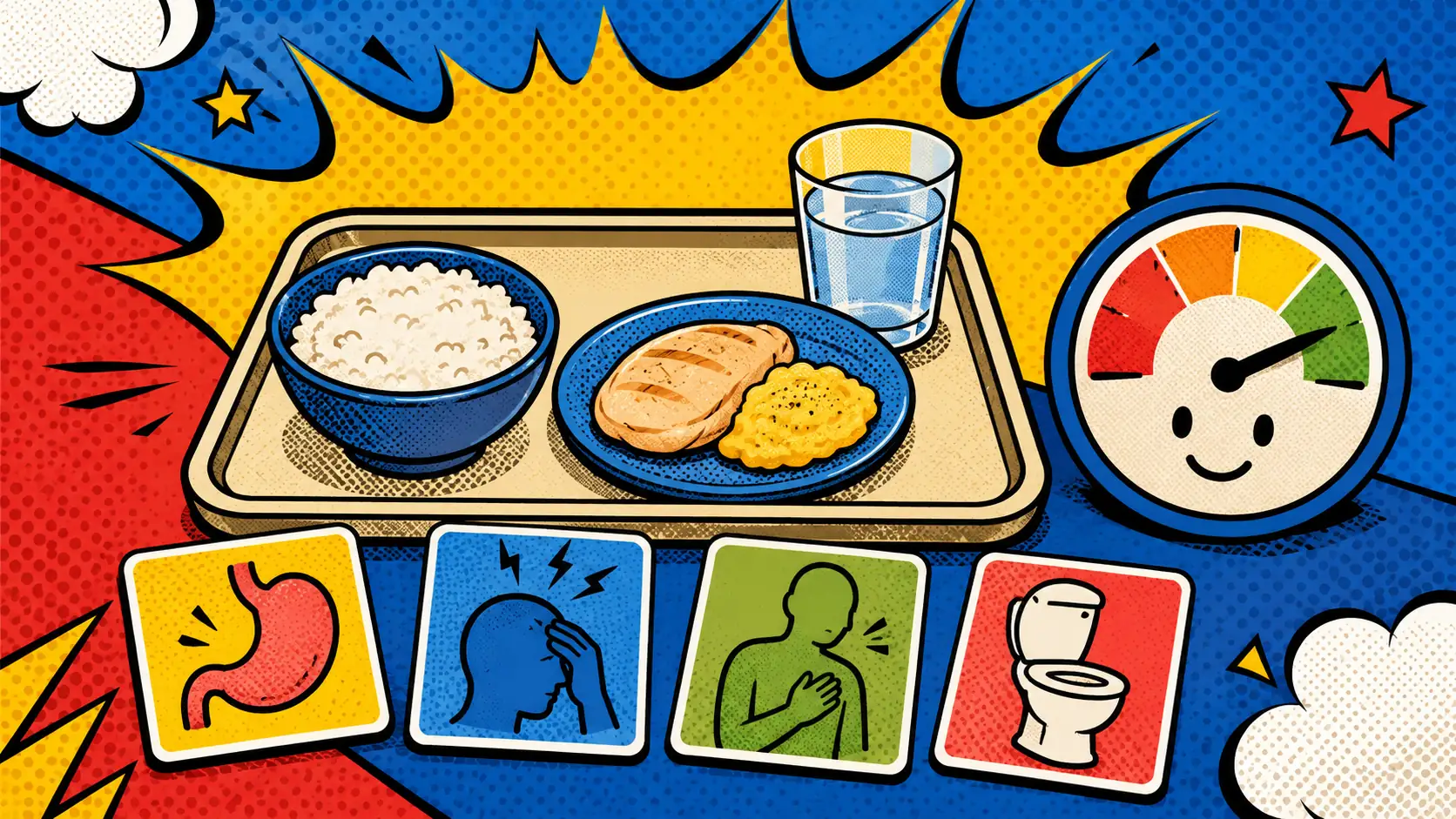
"Safe foods" is an understandable search when your appetite disappears.
When nausea, fullness, diarrhea, stress, constipation, or a flare makes food feel risky, you may not want a nutrition lecture. You want something small that will not make the day worse.
The problem is that IBS does not have one universal safe-food list. A food that settles one person may trigger another. A food that works during a stable week may feel wrong during nausea or after diarrhea. So the better question is not "What is always safe?" It is "What is the gentlest next eating route for this specific low-appetite pattern?"
NIDDK frames IBS dietary changes as individualized options, including clinician-guided low-FODMAP trials, rather than universal rules 1. Use this page as a route map: nausea/fullness, diarrhea recovery, constipation backup, stress, medication changes, or red flags.
Start with the reason appetite is low before choosing food.
| Low-appetite pattern | Better first question | Go here next |
|---|---|---|
| Nausea or early fullness | Is this upper-stomach heaviness, reflux, or dyspepsia-like fullness? | Ginger for nausea and fullness |
| After diarrhea | Do fluids, salts, and a gradual food step matter more than variety today? | What to eat after a diarrhea flare |
| During a flare | Is this a same-day flare plan rather than a new diet project? | IBS flare plan |
| Constipation backup | Is fullness coming from stool backup or incomplete emptying? | Constipation and bloating |
| Persistent poor appetite | Is there weight loss, vomiting, fever, blood, dehydration, or new symptoms? | Doctor visit prep |
This sorting step keeps you from using the same food answer for every pattern.
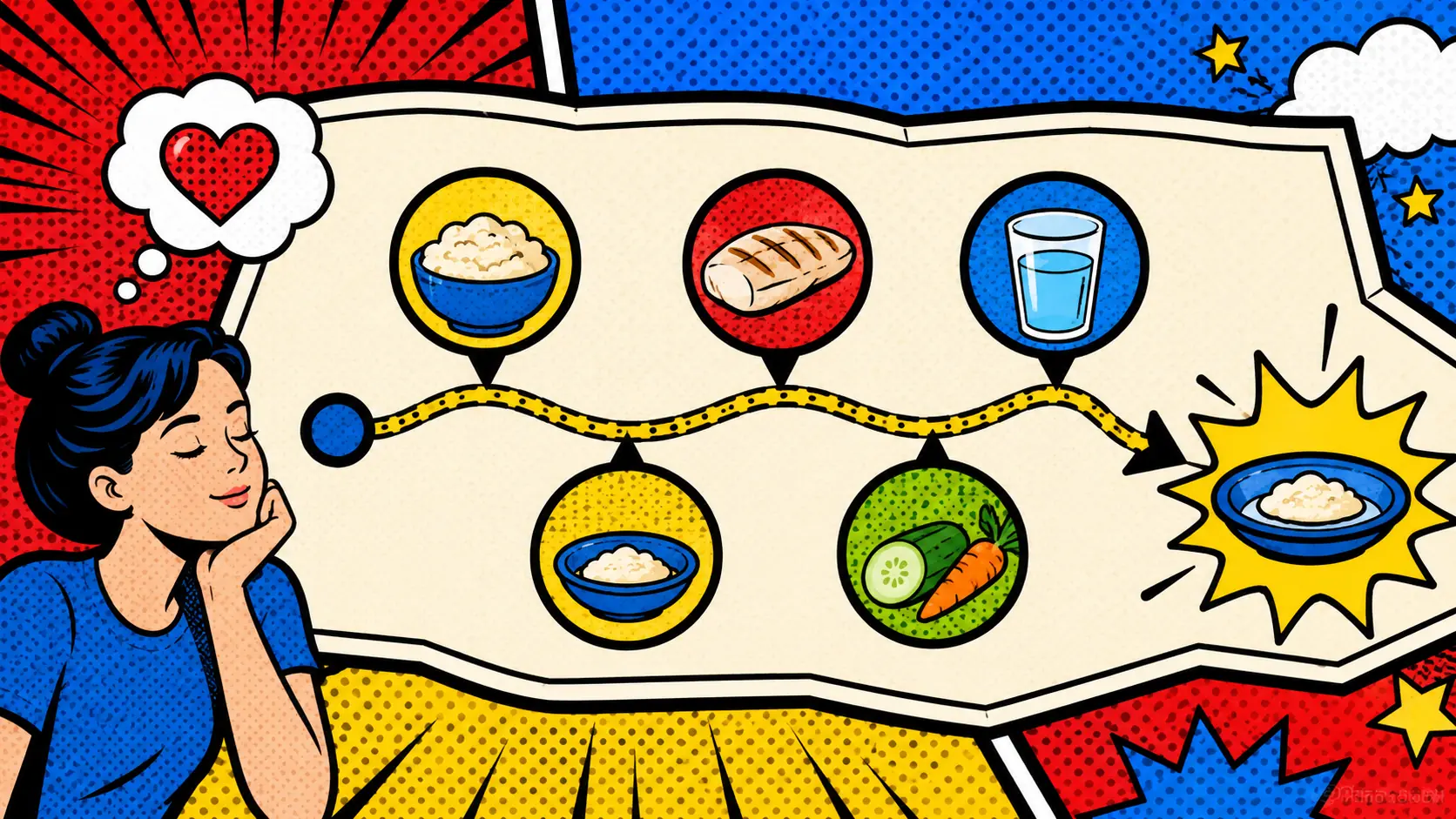
When appetite is low, think smaller and more familiar.
A gentle starting plate might include:
This is a template, not a rule. If oats are not your food, do not force oats. If yogurt worsens symptoms, skip yogurt. The point is to reduce decision pressure while keeping the meal readable.
Avoid stacking changes. If you try a new protein powder, new probiotic, new fiber, new ginger capsule, and new "safe" meal on the same day, you will not know what helped or hurt.
Low appetite often comes from the upper gut, not only the bowel.
If the main feeling is nausea, early fullness, upper-stomach heaviness, or discomfort after small meals, use the ginger guide and the functional dyspepsia route instead of treating the pattern as a simple IBS food-trigger problem.
NIDDK describes indigestion symptoms that can include fullness, discomfort, and nausea 2. Persistent early fullness, repeated vomiting, swallowing trouble, bleeding, unintentional weight loss, chest pain, or severe pain should not be handled with a safe-food list.
For a mild, familiar nausea day, the better food move is often:
After diarrhea, appetite can stay low because your body is tired, your gut feels raw, or you are afraid to restart eating.
Do not jump from diarrhea straight into a broad elimination diet. Use a small step back toward normal eating: fluids, familiar starch, tolerated protein, and then gradual variety when the day steadies.
If diarrhea was frequent, watery, paired with heat or vomiting, or left you dizzy or very thirsty, hydration comes first. NIDDK lists diarrhea warning signs that include dehydration, blood or pus in stool, black stool, fever, severe pain, and persistent symptoms 3.
Use oral rehydration for diarrhea and IBS flares when fluid loss is the issue. Use what to eat after a diarrhea flare when you are ready to rebuild food without over-restricting.
A low-appetite day during a familiar flare is different from ongoing appetite loss.
Get medical review if low appetite is:
Use doctor visit prep if you need help bringing the pattern to a clinician. If the low appetite started after a new medicine or supplement, use medication side effects vs IBS symptoms.
| Your situation | Read next |
|---|---|
| Nausea or fullness is the main issue | Ginger for nausea and fullness |
| You are rebuilding after diarrhea | What to eat after a diarrhea flare |
| The day feels like a flare | IBS flare plan |
| Upper-stomach fullness keeps recurring | Functional dyspepsia and gut-brain communication |
| Restriction is becoming the default | Diet diversity after low FODMAP |
| Sensory food limits or routine changes make only a few foods feel possible | Neurodivergent IBS routines |
| Appetite loss is persistent or concerning | Doctor visit prep |
When appetite is low, you do not need a perfect IBS safe-food list.
You need a small, familiar, readable next meal and a clear reason for choosing it. Start with a familiar starch, tolerated protein, simple fluid, and small portion. Then route by the real pattern: nausea, fullness, diarrhea recovery, constipation, stress, medication changes, or red flags.
If low appetite is persistent, paired with weight loss, dehydration, vomiting, blood, fever, severe pain, or different from your baseline, stop trying to solve it with food alone and get medical support.
Xam Riche is a gut health solopreneur and founder of YourFitNature, dedicated to helping people navigate digestive wellness through evidence-based information and personal experience. After years of struggling with IBS and bloating, Xam discovered the transformative power of the low FODMAP diet and now shares practical, science-backed guidance to help others find relief. While not a medical professional, Xam combines extensive research with lived experience to create accessible, empowering resources for the gut health community. Learn more about our mission
As an affiliate, we may earn from qualifying purchases.