

After a large pasta dinner, bakery lunch, or rice-heavy meal that leaves the stomach feeling stretched and uncomfortable.
A warm cup provides a gentle pause after eating and may help the person feel less pressured, gassy, and overly full.
Independent product pick with transparent affiliate disclosure

Transparent sourcing
As an affiliate, we may earn from qualifying purchases. This helps support our research and content.
Opens the partner retailer in a new tab.
Retailer terms apply
Review the retailer policy before purchase.
Transparent affiliate link
YourFitNature may earn a commission at no extra cost to you.
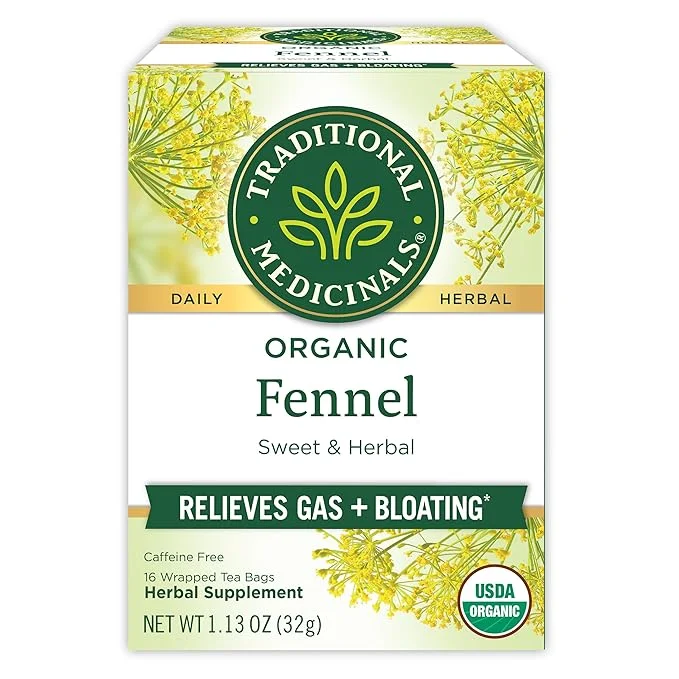
Traditional Medicinals Organic Fennel Tea uses high-essential-oil organic fennel sourced from Bulgaria to provide gentle post-meal support for occasional bloating, fullness, and gas—without capsules, sweeteners, or a harsh medicinal taste.
Use these signals to decide whether the product matches your symptoms, routine, and goals.
People who feel visibly bloated, overly full, or gassy after bread, pasta, rice-heavy meals, desserts, or large portions.
Sensitive-stomach tea drinkers who want a gentle after-meal ritual instead of another capsule or chewable.
Fans of star anise, black licorice, or naturally sweet herbal teas who want digestive support they will genuinely drink consistently.
Post-meal abdominal fullness, Occasional gas and pressure, Bloating after carbohydrate-rich or personally triggering foods can point to patterns worth addressing directly.
Post-meal abdominal fullness
Large meals, fast eating, and difficult-to-digest foods can increase stomach distension and create a prolonged heavy feeling. Warm fennel tea offers a low-intensity digestive ritual that may support comfort during this post-meal phase.
Occasional gas and pressure
Gas can accumulate from swallowed air, fermentation of carbohydrates in the colon, or incomplete digestion of certain foods. Fennel is traditionally used as a carminative to ease gas-related discomfort and mild intestinal spasm.
Bloating after carb-heavy meals
Some carbohydrate-rich foods can increase intestinal fermentation and water movement into the gut, contributing to pressure and abdominal distension. This tea does not remove the food trigger, but can provide soothing support for occasional discomfort afterward.
Fennel tea functions as a warm, aromatic carminative beverage. Its volatile compounds are traditionally used to support gastrointestinal smooth-muscle comfort and the release of trapped gas, helping ease the pressure sensation associated with mild bloating and digestive fullness.
See what each ingredient is included for before checking the retailer details.
| Ingredient | Target | Functional benefit |
|---|---|---|
| Organic fennel fruit (Foeniculum vulgare) | Gastrointestinal smooth muscle and gas-related digestive discomfort | Traditionally used as a carminative and mild antispasmodic botanical to support relief from occasional bloating, flatulence, and post-meal fullness. |
| Anethole and other fennel volatile oils | Aromatic digestive signaling and intestinal comfort | These naturally occurring aromatic compounds contribute to fennel’s sweet anise-like taste and are considered central to its traditional digestive use. |
Review label directions and retailer details before purchase.
Use this when basic fixes have not been enough and you need a clearer way to compare options.
Simethicone may help combine gas bubbles, but it does not create the calming, hydrating after-meal ritual that many people use to slow down and recover after an overly rich meal.
Peppermint can be soothing for some people, but may aggravate reflux or heartburn in susceptible individuals because it can relax the lower esophageal sphincter. Fennel offers a different flavor profile and may be a more appealing option for people who dislike mint.
Enzymes are food-specific and depend on the formula matching the meal trigger. Fennel tea is not intended to digest a particular macronutrient; it is a broader comfort-focused option for mild gas, fullness, and bloating sensations.
Avoidance may temporarily reduce discomfort but does not build a sustainable, calming response to occasional food-related digestive symptoms. A simple tea ritual can support comfort without escalating restriction.
Check these situations before using a supplement without clinician guidance.
Use these scenarios to see whether the product fits your daily pattern.
A warm cup provides a gentle pause after eating and may help the person feel less pressured, gassy, and overly full.
The naturally sweet anise aroma creates a relaxing wind-down ritual while supporting mild digestive comfort.
They get a flavor profile they enjoy enough to use consistently after meals, rather than forcing down a bland “wellness” tea.
Tea bags are easy to pack and provide a familiar post-meal comfort routine without needing a full supplement stack.
Steep one tea bag in freshly boiled water according to the package directions.
Drink after meals or when occasional fullness, bloating, or gas discomfort begins.
Steep longer for a stronger fennel flavor and more pronounced aromatic intensity.
Use consistently as part of a digestive routine; the product description recommends a minimum of two months for beneficial effects.
For the best sensory experience, cover the cup while steeping to retain the aromatic fennel oils, then sip slowly after eating instead of drinking it quickly on a rushed stomach.
“European herbal medicine authorities recognize sweet fennel fruit as a traditional herbal medicinal product for symptomatic relief of mild spasmodic gastrointestinal complaints, including bloating and flatulence. Clinical evidence for fennel tea specifically remains limited, so its role is best framed as traditional, supportive care for mild occasional symptoms rather than a proven treatment for IBS, SIBO, inflammatory bowel disease, or other diagnosed conditions.”
Source: European Medicines Agency, European Union herbal monograph on Foeniculum vulgare fruit, revised 2024; Annaházi et al., Fennel Tea Has a Region-Specific Effect on the Motility of the Gastrointestinal Tract, 2025.
Concise answers for the final checks that often come up before reviewing retailer details.
Expect a naturally sweet, herbal flavor that is very close to star anise or black licorice. Multiple reviewers specifically describe it as smooth, fragrant, and easy to drink. The flavor becomes stronger the longer you steep it and the less water you use.
Refer to the retailer or manufacturer for the current satisfaction and return policy.