

YourFitNatureplusdescription Logo

Independent product pick with transparent affiliate disclosure

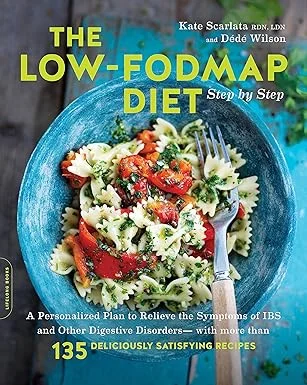
The Low-FODMAP Diet Step by Step: A Personalized Plan to Relieve the Symptoms of IBS and Other Digestive Disorders -- with More Than 130 Deliciously Satisfying Recipes
Low FODMAP Diet

The Low-FODMAP Diet Step by Step: A Personalized Plan to Relieve the Symptoms of IBS and Other Digestive Disorders -- with More Than 130 Deliciously Satisfying Recipes

Secure retailer checkout
See retailerlive price

Opens the partner retailer in a new tab.

Buy Now

Retailer terms apply

Review the retailer policy before purchase.

Transparent affiliate link

YourFitNature may earn a commission at no extra cost to you.

Product decision guide

Turn a confusing low-FODMAP prescription into satisfying meals—and a clear map to your personal IBS triggers

This clinician-informed, recipe-driven paperback combines a structured elimination-to-reintroduction plan with more than 130 genuinely enjoyable recipes, so IBS management feels less like food deprivation and more like building a confident, individualized way of eating.

Adults with diagnosed or clinically suspected IBS who feel overwhelmed by contradictory low-FODMAP food lists and need a practical start-to-finish roadmap.
Start with the simplest recipes that use familiar ingredients, then add specialty items only when a recipe genuinely becomes a favorite. The most effective low-FODMAP plan is one you can enjoy, afford, and sustain long enough to complete the reintroduction phase.
Best fit

Who this product is meant to help

Use these signals to decide whether the product matches your symptoms, routine, and goals.

Adults with diagnosed or clinically suspected IBS who feel overwhelmed by contradictory low-FODMAP food lists and need a practical start-to-finish roadmap.

People with IBS-D, bloating, gas, abdominal discomfort, or bathroom anxiety who want to test food-related symptom triggers without relying on a permanently restrictive diet.

Families supporting a teen or adult with IBS who need meals everyone can enjoy, rather than cooking a separate bland or highly specialized menu.

Lactose-intolerant readers concerned about maintaining calcium, fiber, meal variety, and satisfaction while reducing FODMAP exposure.

Experienced low-FODMAP dieters who completed the initial restriction phase but need a clearer system for reintroducing foods and identifying tolerance thresholds.

Symptom map

Reframe the discomfort before choosing the tool

Post-meal abdominal bloating and visible distension, Excessive gas, pressure, and abdominal discomfort, Urgent or frequent loose stools associated with IBS-D, Cramping and unpredictable bowel habits, Food-related anxiety, including fear of eating away from home can point to patterns worth addressing directly.

Expressed symptom

Bloating and abdominal pressure

FODMAP carbohydrates may be incompletely absorbed in the small intestine and then rapidly fermented by colonic bacteria. The resulting gas and fluid shifts can stretch a sensitive gut. The book's elimination and challenge process helps identify which FODMAP categories and portions are most likely to provoke this response.

Diarrhea or bowel urgency

Some FODMAPs can exert an osmotic effect, increasing water delivery into the intestinal lumen. In people with IBS and heightened gut sensitivity, this may contribute to loose stools or urgency. The book provides low-FODMAP substitutions and a structured path to test tolerance rather than eliminating foods indefinitely.

Pain after otherwise healthy foods

Many nutrient-dense foods, including certain legumes, fruits, dairy products, grains, onions, and garlic, can be high in specific FODMAPs. The issue is not that these foods are inherently harmful; it is that dose, FODMAP type, and individual sensitivity vary. The book teaches personalization so readers can identify workable amounts and alternatives.

Over-restriction and nutritional gaps

Unsupervised elimination diets can become unnecessarily narrow, increasing the risk of inadequate fiber, calcium, energy, or food variety. The book includes nutrient-focused guidance, meal plans, and reintroduction instructions intended to move readers toward a broader long-term diet.

Product role

The book helps the reader reduce likely high-FODMAP exposures during a short assessment period, then systematically challenge individual FODMAP groups and serving sizes. This can help distinguish broad food fear from specific carbohydrate triggers, allowing the reader to expand their diet while keeping symptom-provoking doses or foods limited.

Ingredient breakdown

What each key component is expected to do

See what each ingredient is included for before checking the retailer details.

IngredientTargetFunctional benefit
FructansSmall-intestinal carbohydrate absorption and colonic microbial fermentationThe plan helps readers identify whether fructan-rich foods such as wheat-based products, onion, garlic, and certain vegetables are meaningful symptom triggers, then use practical alternatives such as garlic-infused oil and lower-FODMAP substitutions.
LactoseLactase-dependent digestion in the small intestineReaders can assess whether lactose malabsorption contributes to symptoms and use lactose-free dairy or suitable alternatives while maintaining attention to calcium and protein intake.
Excess fructoseFructose transport and small-intestinal absorption capacityThe reintroduction structure helps determine whether certain fruits, sweeteners, or serving sizes trigger symptoms, instead of assuming all fruit must be avoided.
Galacto-oligosaccharidesFermentation of legumes and other oligosaccharide-containing foods in the colonThe book offers ways to maintain meal variety while testing tolerance to beans, pulses, and related foods in controlled portions.
PolyolsOsmotic carbohydrate load and microbial fermentationReaders can evaluate whether sugar alcohols and certain fruits or vegetables are linked to gas, bloating, or stool changes, then personalize rather than broadly avoid all plant foods.

Review label directions and retailer details before purchase.

Compare

Why common alternatives miss

Use this when basic fixes have not been enough and you need a clearer way to compare options.

Standard option

Generic internet low-FODMAP food lists

Many lists are incomplete, inconsistent, or omit serving-size context. They may encourage indefinite avoidance without teaching the critical reintroduction and personalization stages.

Standard option

A standard cookbook modified ad hoc for IBS

Recipe substitutions alone may not reveal which FODMAP group, food, or dose is causing symptoms. This book pairs meals with a deliberate diagnostic-style challenge process.

Standard option

A highly restrictive elimination diet followed long term

Long-term broad restriction can reduce food variety, complicate social eating, and potentially compromise nutritional adequacy or beneficial microbiome substrates. The book explicitly directs readers toward reintroduction and individualized tolerance.

Standard option

Low-FODMAP cookbooks focused mainly on specialty substitutions

Some alternatives can feel expensive, inconvenient, or unsatisfying, making adherence difficult. Reviews describe this book's recipes as familiar, flavorful, family-worthy dishes rather than disappointing stand-ins.

Standard option

Symptom-suppression products used without food-trigger assessment

Antacids, anti-gas products, or antidiarrheals may provide temporary symptom relief but generally do not help identify dietary patterns, portion thresholds, or personalized carbohydrate triggers.

Safety screening

When to pause before buying

Check these situations before using a supplement without clinician guidance.

Self-directed use is not advised for:
  • Do not use a self-directed low-FODMAP elimination diet as a substitute for medical evaluation of persistent, severe, or unexplained digestive symptoms.
  • Seek medical assessment promptly for rectal bleeding, black stools, unintentional weight loss, fever, anemia, persistent vomiting, nocturnal symptoms, new symptoms later in life, or a family history of colorectal cancer, inflammatory bowel disease, or celiac disease.
  • Children, adolescents, pregnant or breastfeeding individuals, people with eating disorders or a history of disordered eating, underweight individuals, and people with complex medical conditions should undertake this diet only with individualized guidance from a qualified clinician and gastrointestinal dietitian.
  • People with celiac disease should not reintroduce gluten-containing wheat as a challenge without understanding that wheat fructans and gluten are separate issues; celiac disease requires strict lifelong gluten avoidance.
  • This book is an educational resource, not a diagnosis, medication, or replacement for gastroenterology or dietitian care.
Use cases

Where this fits into real life

Use these scenarios to see whether the product fits your daily pattern.

Case 1

A professional with IBS-D avoids breakfast meetings because coffee, pastries, and rushed meals trigger bloating and urgent bathroom trips.

They use the book's meal ideas and reference material to create predictable low-FODMAP breakfasts during the initial phase, track response patterns, and later test individual triggers rather than fearing all morning foods.

Case 2

A lactose-intolerant reader worries that low-FODMAP eating will further reduce calcium and fiber intake.

They use the nutrition guidance and recipe structure to choose lactose-free or suitable alternatives while building meals with tolerated fiber sources and greater dietary variety.

Case 3

A family is cooking for a child or teen with physician-assessed IBS and does not want every dinner to feel medically restrictive.

They prepare flavorful staples such as garlic-oil-based chicken dishes, sauces, salads, and comfort-food adaptations that can become normal family meals rather than separate 'sick food.'

Case 4

A reader has tried low-FODMAP eating loosely for months but still cannot identify whether garlic, dairy, wheat, legumes, or sweeteners are the real issue.

They use the challenge-phase structure to test one category at a time, making it easier to identify personal tolerance patterns and reduce unnecessary avoidance.

Case 5

Someone newly advised to try low-FODMAP feels panicked by grocery shopping and assumes they need to buy every specialty ingredient immediately.

They start with simpler recipes and widely available ingredients, build confidence, and expand their pantry gradually rather than overspending on unfamiliar products.

Usage guide
  1. 1

    Begin only after discussing your symptoms and suitability for a low-FODMAP approach with a healthcare professional, particularly if IBS has not been formally assessed.

  2. 2

    Read the educational section before changing your diet so you understand the purpose of the elimination, reintroduction, and personalization phases.

  3. 3

    Use the initial low-FODMAP meal plans, shopping lists, and simple recipes for a limited assessment period rather than treating the strict phase as permanent.

  4. 4

    Track meals, portions, bowel patterns, pain, bloating, gas, urgency, stress, and sleep so you can identify patterns accurately.

  5. 5

    Once symptoms are more stable, follow the book's structured challenge approach to reintroduce one FODMAP category or food group at a time.

  6. 6

    Build your long-term eating pattern around foods and portions you tolerate, aiming for the broadest, most nutritionally varied diet possible.

Start with the simplest recipes that use familiar ingredients, then add specialty items only when a recipe genuinely becomes a favorite. The most effective low-FODMAP plan is one you can enjoy, afford, and sustain long enough to complete the reintroduction phase.

Scientific support
Clinical guidance supports a limited trial of a low-FODMAP diet for people with IBS to improve overall IBS symptoms. The evidence-based model uses three phases: short-term restriction, systematic reintroduction, and long-term personalization, with the aim of improving symptoms while maximizing dietary variety and nutritional adequacy. The American College of Gastroenterology recommends a limited low-FODMAP trial for IBS, while Monash University describes the established three-step framework of restriction, reintroduction, and personalization.

Source: American College of Gastroenterology Clinical Guideline: Management of Irritable Bowel Syndrome, American Journal of Gastroenterology, 2021; Monash University Low FODMAP Diet three-step guidance; Sultan et al., How to Implement the 3-Phase FODMAP Diet Into Gastroenterological Practice, 2022.

FAQ

Common buying questions

Concise answers for the final checks that often come up before reviewing retailer details.

It is both a practical guide and a cookbook. Reviews consistently emphasize that the first section explains the low-FODMAP process, food choices, shopping, meal planning, nutrient considerations, vegan modifications, and the challenge or reintroduction phase. The recipe collection then gives readers more than 130 ways to put that plan into practice.

Secure retailer checkout

Build a low-FODMAP plan you can actually enjoy—and move from food fear to clear, personalized IBS trigger insight.

Check today's price

Check the retailer's current return policy and paperback condition requirements before purchase; this book does not guarantee symptom relief and should be used alongside appropriate medical or dietitian guidance.

Full Details

Product Details

Your Gut. Your Clarity.

Say goodbye to bloat, brain fog, and confusion. We simplify gut health with smart routines and trusted solutions.

About Us